Ukrainian Defense Startup UFORCE Raises $700 Million Series A, Reaches $6 Billion Valuation
Ukraine's UFORCE has closed a $700 million Series A round co-led by Valor Equity Partners and the UK National Wealth Fund, cementing its transition from a wartime startup into a globally positioned defense prime. The funding round and its institutional backers signal a structural shift in how defence capital is being deployed toward battle-tested autonomous systems.
Marcus Macaulay — Publisher
From Unicorn to Global Prime in Eight Months
On November 12, 2026, Ukrainian defense technology firm UFORCE finalized a $700 million Series A funding round, reaching a valuation of $6 billion. That figure represents a 600% increase from March 2026, when the company became Ukraine's first defense tech unicorn at a $1 billion valuation. The speed of that trajectory is unusual by any measure, but the more significant question for procurement teams and defence integrators is what UFORCE is actually building — and whether the institutional capital now backing it reflects a durable commercial thesis or a geopolitical moment.
The evidence suggests it is both. The round was co-led by Valor Equity Partners and the UK National Wealth Fund, with participation from the US–Ukraine Reconstruction Investment Fund (URIF) and Menlo Ventures. That investor composition — combining sovereign capital, institutional venture and strategic reconstruction funds — is not typical of early-stage defence startups. It reflects a deliberate effort to institutionalize investment in autonomous systems that have already been validated under operational conditions at scale.
A Multi-Domain Portfolio Built on Combat Data
UFORCE describes itself as a profitable multi-domain defense roll-up. Under CEO Oleg Rogynskyy, the company has systematically acquired and integrated military technologies across air, ground and maritime domains rather than developing a single platform. Rogynskyy reported that bookings have more than doubled from a previous base of several hundred million dollars.
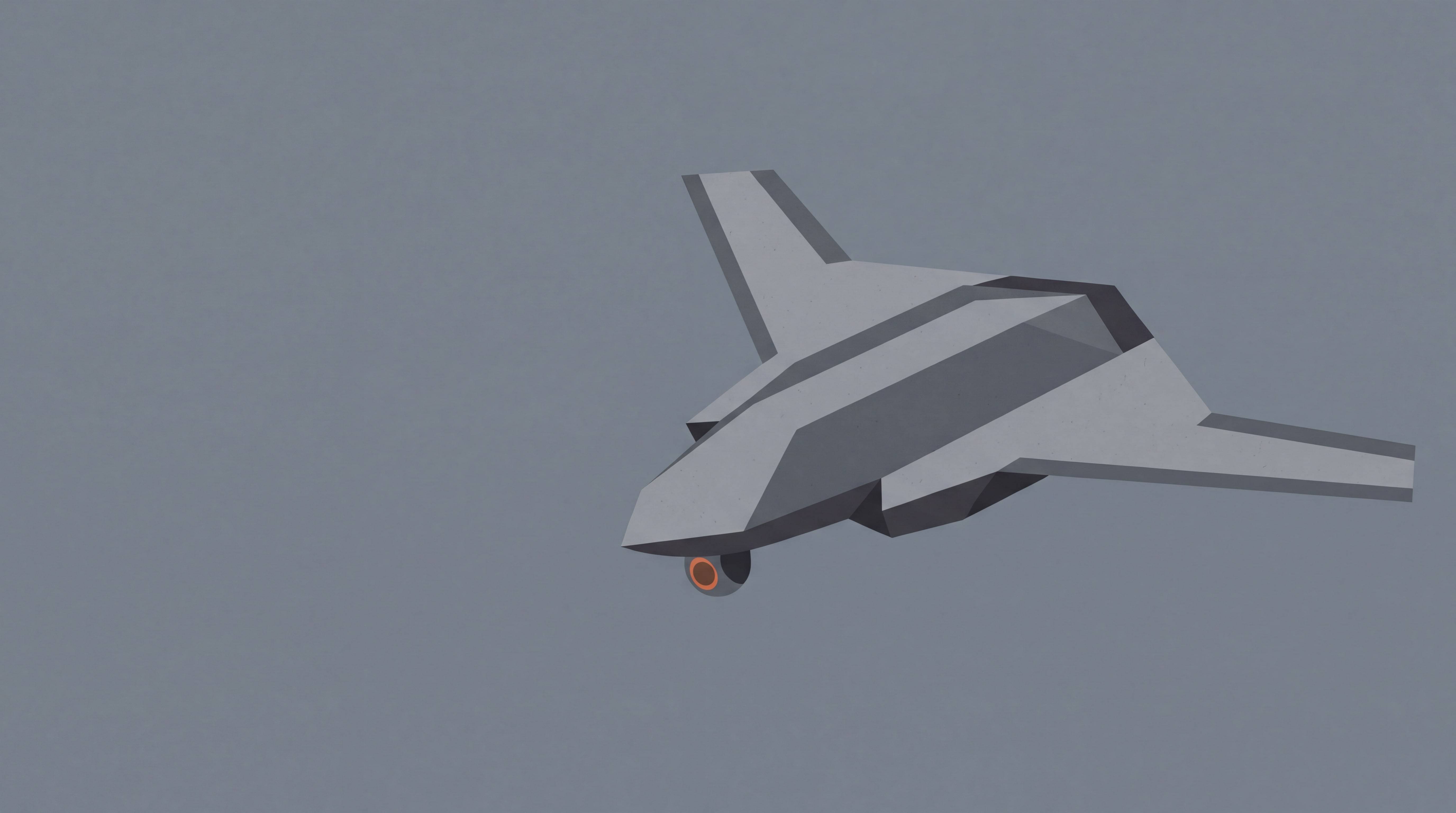
The operational foundation underpinning that commercial position is real. The NEMESIS Class 1 heavy strike UAV has surpassed 300,000 combat flights and is deployed across more than 100 military units. That is not a trial deployment or a controlled demonstration — it is a dataset of operational performance at a scale that few autonomous systems programs anywhere in the world can match. For defence procurement teams evaluating autonomous strike systems, that record is a meaningful differentiator.
The 'Bucha' airplane-type swarm drone occupies the lower end of the cost spectrum, priced between $10,000 and $12,000 per unit, with a 200 km range and a 5.5 kg warhead. That price point positions it as a mass-producible attritable asset rather than a platform requiring depot-level maintenance. The combination of a high-performance heavy strike UAV and a low-cost swarm option in the same portfolio gives UFORCE coverage across different operational requirements and procurement budgets.
The Maritime Dimension and US Manufacturing
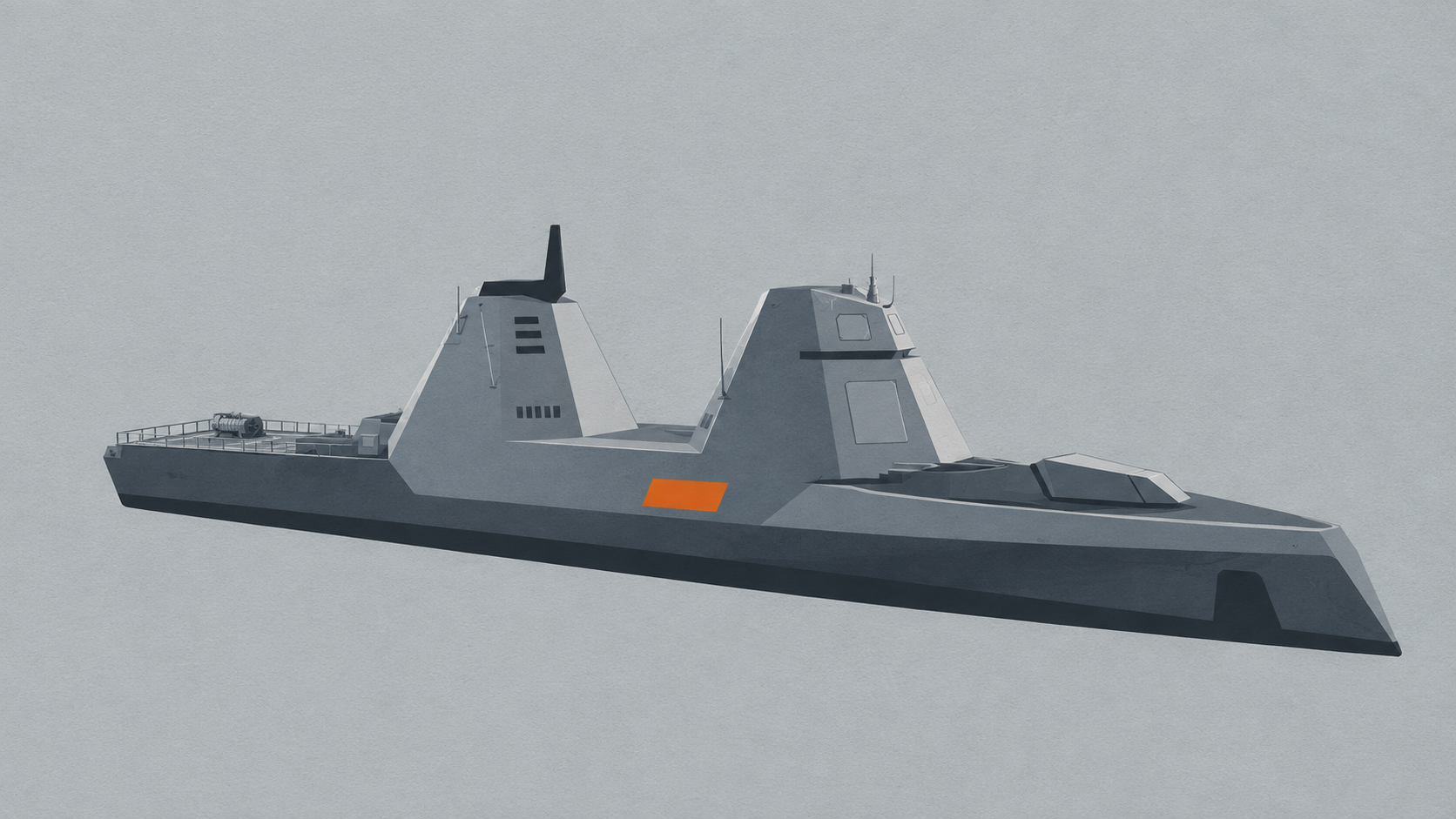
The maritime segment adds a third domain and a new geographic manufacturing footprint. On November 12, 2026, UFORCE and US-based ReconCraft entered a partnership to produce MAGURA maritime platforms domestically in the United States. That arrangement moves UFORCE from an export supplier into a domestic US production arrangement — a structurally different commercial and regulatory position.
The platform in question, the MAGURA MV11 Unmanned Surface Vessel, was launched on August 25, 2026. It is configured as a mobile maritime base with a 2,200 kg payload capacity and seven-day endurance. That specification places it in a category of persistent maritime autonomy rather than a point-strike asset, with implications for logistics, ISR and multi-domain integration that extend well beyond the Ukrainian operational context.
Producing MAGURA platforms in the United States also addresses a practical barrier that limits many non-US defence technology firms: access to US defence procurement, allied interoperability requirements and the industrial base relationships that underpin long-term programme viability.
What the Capital Structure Reveals
The involvement of the UK National Wealth Fund alongside URIF is not incidental. It reflects a broader pattern in which allied governments are using sovereign capital instruments to anchor investment in defence technology firms they regard as strategically significant — not simply as aid, but as long-term industrial positioning. For other market participants, that co-investment structure also de-risks the round in ways that conventional venture capital cannot.
Battle-tested autonomous systems now attract institutional capital at valuations that would have been implausible for most defence startups three years ago. UFORCE's $6 billion valuation, reached within eight months of its first unicorn designation, reflects that the gap between operational proof and investment appetite has narrowed considerably in the autonomous systems sector.
Practical Implications for Buyers and Integrators
For procurement teams and robotics integrators, UFORCE's trajectory carries several concrete implications. First, combat-validated performance data is becoming a credible substitute for the extended qualification cycles that traditionally govern defence procurement — especially for attritable systems at the lower cost tier. Second, multi-domain roll-up strategies produce portfolios that procurement organisations can engage as programmes rather than point solutions, which changes how integrators structure their supply chains. Third, US-based manufacturing partnerships create a pathway for allied-nation defence technology firms to access markets and regulatory frameworks that were previously difficult to reach.
The open question is whether UFORCE can sustain its operational tempo and product integration discipline as it scales globally. Profitable growth from a wartime supply context into a diversified international defence prime is a different organisational challenge than building the initial portfolio. But the capital is now committed, the manufacturing footprint is expanding, and the operational record is documented. That is a more credible starting position than most autonomous systems companies reach at any stage of their development.
Cite this article
Marcus Macaulay. "Ukrainian Defense Startup UFORCE Raises $700 Million Series A, Reaches $6 Billion Valuation." Autonomous Systems Review, 12 Nov 2026. https://autonomoussystemsreview.com/articles/ukrainian-defense-startup-uforce-raises-700-million-series-a-reaches-6-billion-v.