The most deployed humanoid robot in the West is a fleet of about 75. That's the good news
Strip the viral numbers out of the humanoid story and what remains is small, verifiable and genuinely encouraging. The industry should stop being embarrassed by its real data — the fantasy figures are the actual liability.
Ask the internet how many humanoid robots are working today and you will receive answers of impressive confidence: tens of thousands of Optimus units, ten thousand Figure robots across partner warehouses, a thousand humanoids toiling on Tesla's lines. Trace those claims to their sources and they evaporate — none of them originates from the companies involved, and none survives contact with an actual filing.
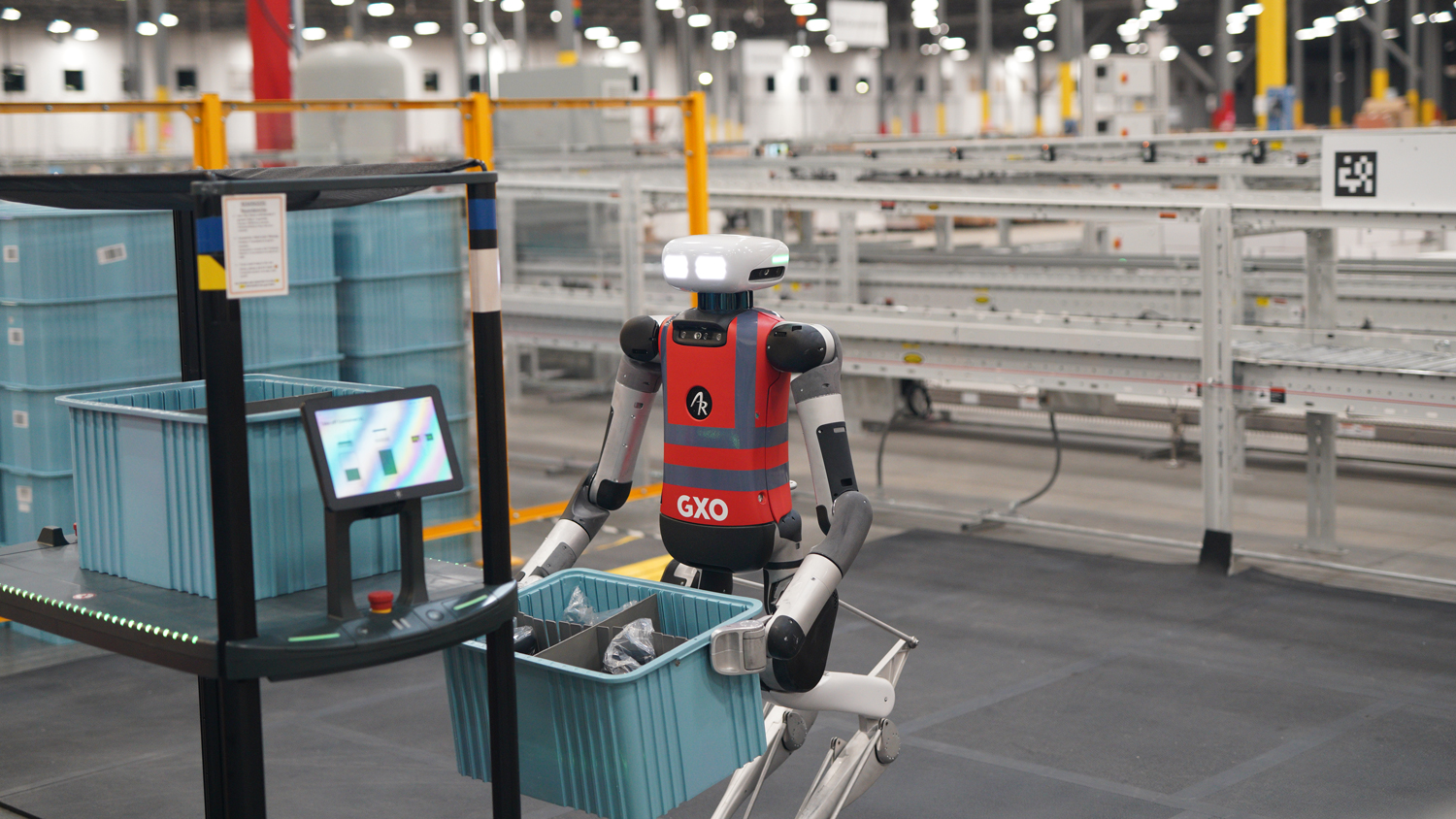
Here is what does survive. Agility Robotics' Digit — by any honest accounting the most commercially deployed Western humanoid — has an estimated installed base of roughly seventy-five units. Two sites qualify as sustained, high-duty operations: a GXO fulfilment centre in Georgia that has moved over 100,000 totes since mid-2024, and a Schaeffler plant in South Carolina running eight-hour daily shifts since early 2025. Four commercial agreements are signed. Everything else is a pilot.
Seventy-five robots. Against a sector whose private valuations run to eleven figures.
And yet the correct reaction to that number is not derision. It is relief — because for the first time, this industry is generating data worth reading.
The BMW report is the template
Consider what Figure disclosed about its programme at BMW's Spartanburg plant: an eleven-month pilot in which Figure 02 units logged more than 1,250 operating hours, loaded over 90,000 sheet-metal parts into welding fixtures at five-millimetre precision, worked ten-hour shifts five days a week, and held placement accuracy above 99% at an 84-second cycle time, supporting production of some 30,000 vehicles.
You can interrogate that. You can compute cost per part, compare the cycle time against a human or a fixed-arm cell, and ask the one question the report politely omits — the intervention rate. It is a real industrial document about a real industrial trial, and it is worth more to a serious buyer than every dance video ever uploaded. BMW evidently agrees: the 02 units have been retired, Figure 03 has moved onto a logistics sequencing task at the same plant, and a second deployment is planned at Leipzig. That is what genuine adoption looks like: unglamorous, task-bounded, and renewed.
The pattern across every verified deployment is the same. Humanoids are earning their keep at tote movement, bin handling and light material transfer — bounded workflows with forgiving tolerances. Welding, stamping, anything demanding sub-millimetre repeatability: still the domain of the fixed arm, and likely to remain so for years.
The fantasy is the liability
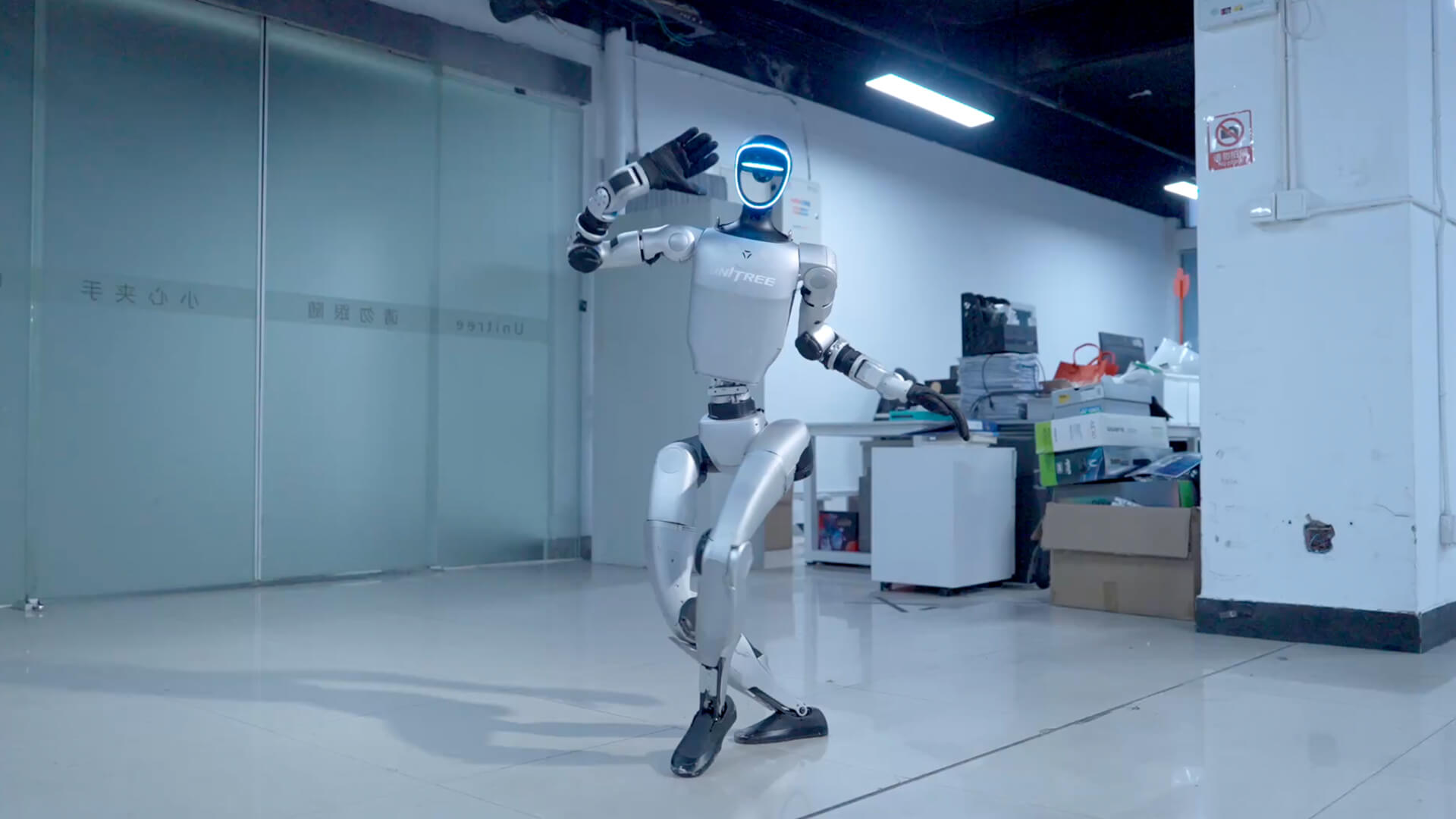
Meanwhile the volume story belongs to China, and even there the economics are instructive: Unitree shipped roughly 5,500 humanoids in 2025 — more than every Western maker combined — with its G1 starting near $16,000, and still saw its first-quarter profit halve. Selling humanoids cheaply, it turns out, is a hard business. Selling them expensively, in fleets of seventy-five, is a harder one.
None of this says the technology fails. It says the sector is roughly where autonomous vehicles were in 2016 — real capability, real pilots, and a narrative running a decade ahead of the fleet. We know how that gap resolved for AVs: in write-downs, in shuttered programmes, and in a public that stopped believing the announcements. The humanoid industry has a chance to skip that chapter, and the method is sitting in plain sight. Publish the operating hours. Publish the cycle times. Publish the intervention rates. Seventy-five robots with verifiable shift records will out-argue fifty thousand imaginary ones — and when the correction comes for the fantasy numbers, the companies holding real data will be the ones left standing.
Cite this article
Rob Polli. "The most deployed humanoid robot in the West is a fleet of about 75. That's the good news." Autonomous Systems Review, 3 Aug 2026. https://autonomoussystemsreview.com/articles/the-most-deployed-humanoid-robot-in-the-west-is-a-fleet-of-about-75-thats-the-go.