FCC slams the door on new foreign mobile robots — and everyone knows which country it means
Humanoids, quadrupeds and AMRs join drones and routers on the Covered List, cutting new foreign-built models off from the certification they need to be sold in America. For US integrators built on cheap Chinese platforms, the procurement maths just changed.
The Federal Communications Commission added foreign-produced advanced robotic devices to its Covered List on 28 July, making new foreign-built humanoid robots, quadrupeds and autonomous mobile robots ineligible for the equipment authorisation required to import, market or sell them in the United States.
The mechanism is bureaucratically dry and commercially brutal. Nearly every electronic device sold in America needs FCC equipment authorisation for its radios. Covered List equipment cannot get one. No authorisation, no import, no sale — regardless of tariffs, price or performance.
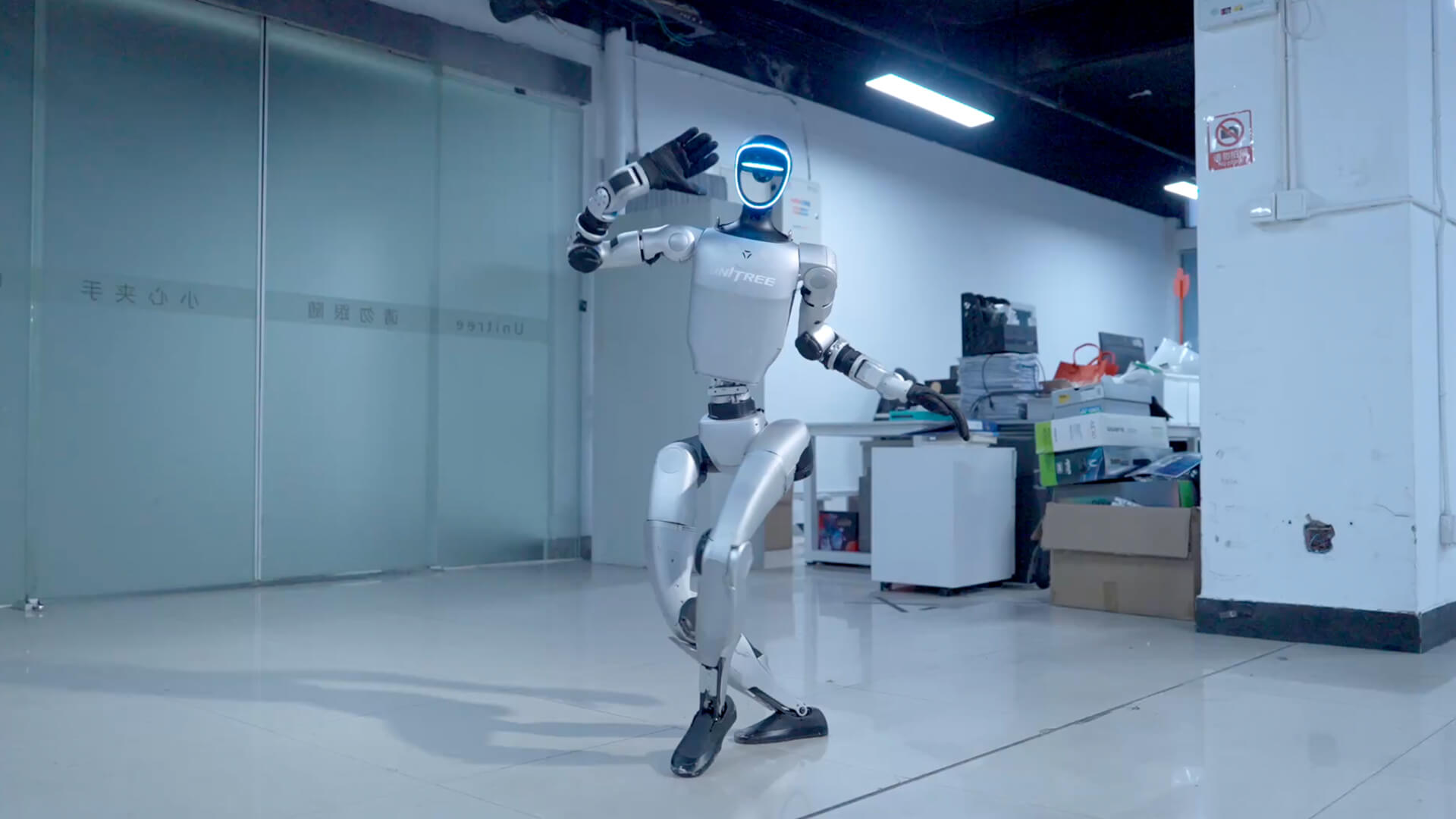
The action, taken under the Secure and Trusted Communications Networks Act, follows a national security determination issued a day earlier by a White House-convened interagency body, which concluded that foreign-produced mobile robots pose an unacceptable risk to US critical infrastructure. Among the evidence cited: a reported incident in which a remote actor gained access to as many as 7,000 foreign-produced robots operating inside American homes, and a documented critical vulnerability in robots from Hangzhou-based Unitree.
What's in, what's out
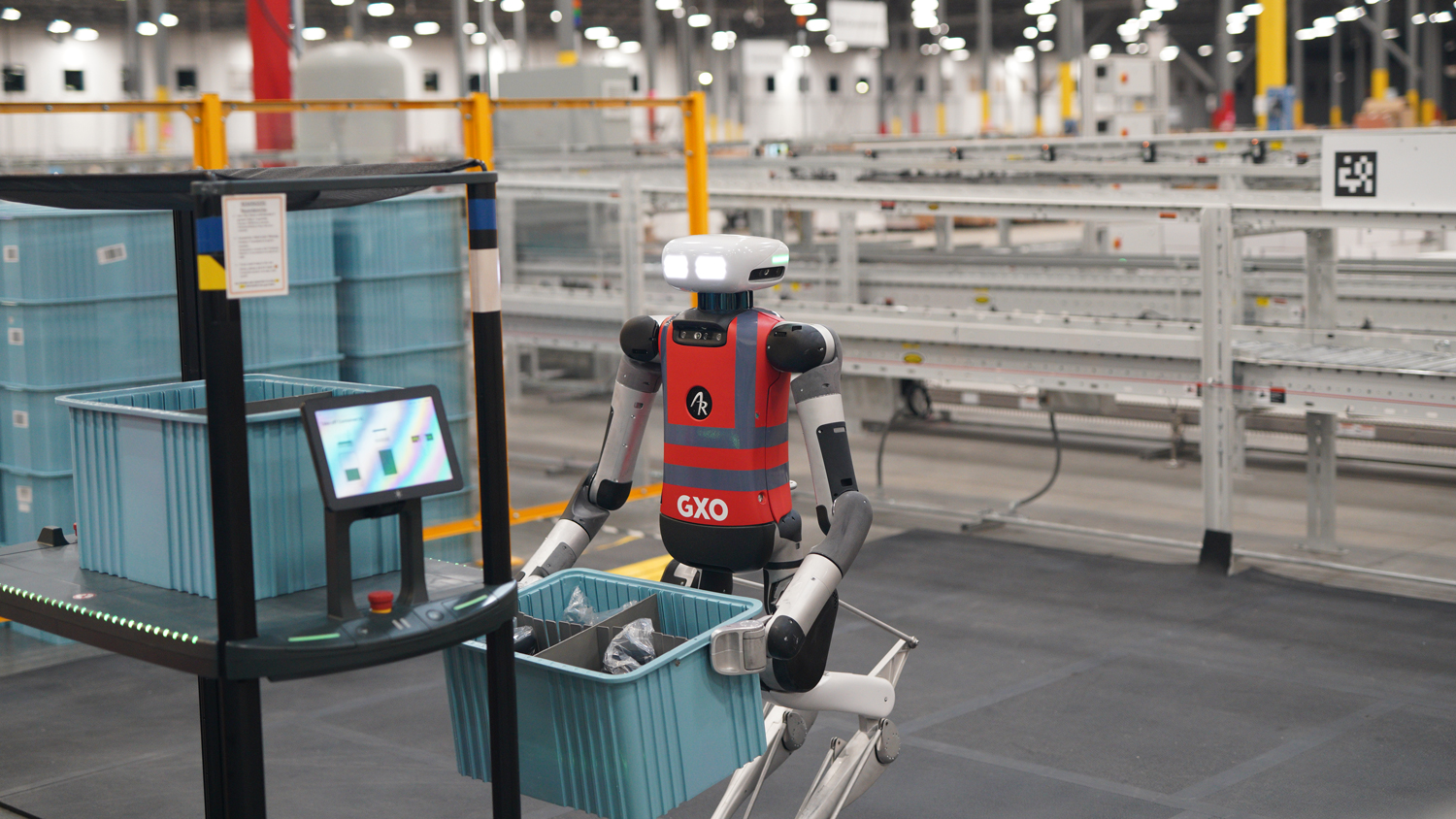
The definition is drawn with unusual precision. Covered: mechanical mobile devices — autonomous mobile robots, humanoids, quadrupeds — that operate at a distance from a human operator, weigh more than 4.4 lb (2 kg) and carry onboard sensing, communications and some degree of autonomy.
Excluded: drones (which received their own Covered List treatment in December 2025), connected vehicles (governed by the separate ICTS supply-chain rule), fixed industrial robot arms, and medical robots. Two further carve-outs will interest product managers everywhere: devices under 2 kg, and systems that communicate at less than 200 kilobits per second.
Critically, the restriction applies only to new models seeking authorisation. Robots already certified can still be sold and used — an installed base of grandfathered hardware whose spare-parts and support arrangements just became a strategic question.
There is an exemption path: conditional approval from the Department of War for specific devices or classes. How readily that gets granted will define how hard the rule actually bites.
The China question
The FCC insists the listing is country-neutral. US national security sources, and Beijing itself, read it otherwise. China's Ministry of Commerce responded within a day, accusing Washington of
> [QUOTE] "overstretching the concept of national security and going after Chinese companies." — Chinese Ministry of Commerce
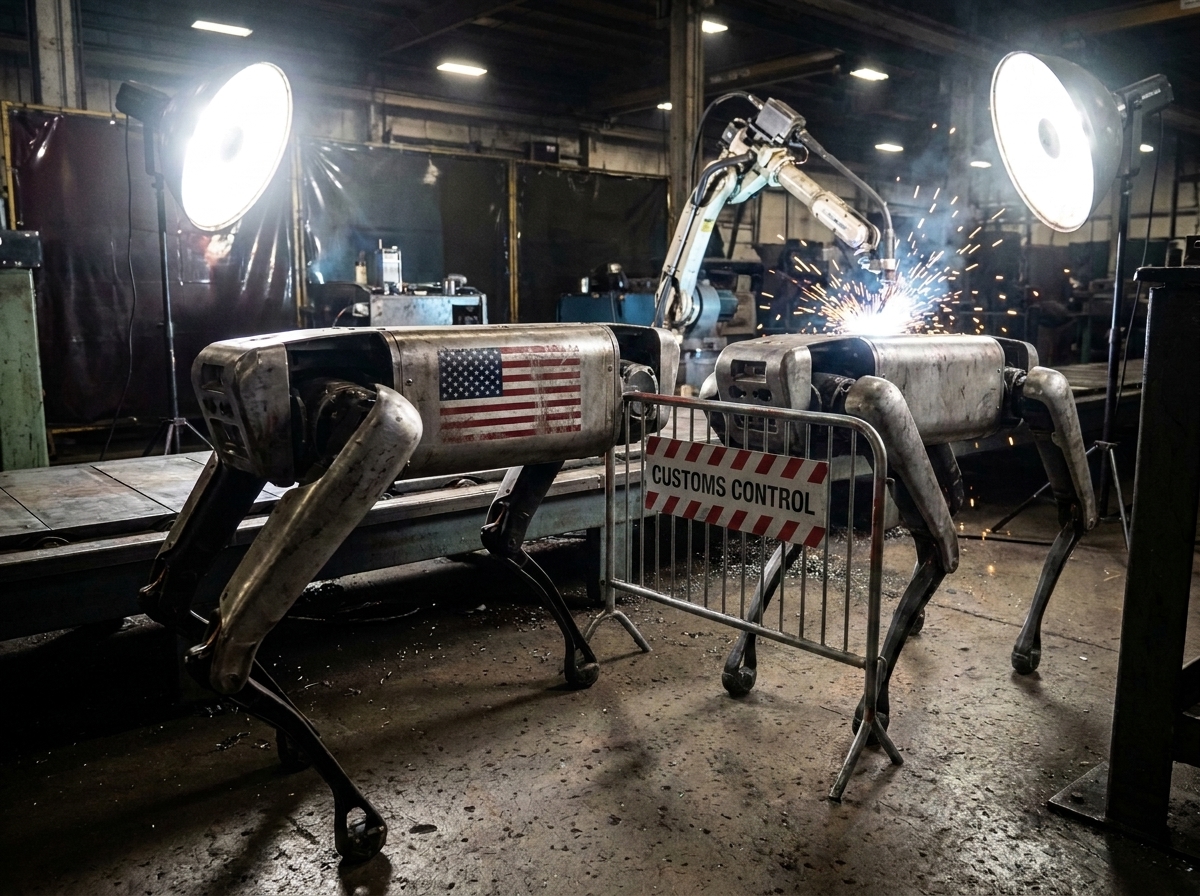
The practical target is hard to mistake. Chinese platforms — Unitree's quadrupeds above all — have become the default hardware in American university labs, inspection start-ups and research fleets precisely because they cost a fraction of Western alternatives. That pipeline of new models is now shut.
What buyers should do
Three moves for anyone running or planning a mobile-robot fleet in the US: audit which platforms in your stack are foreign-produced and whether current models are already authorised; ask vendors directly about model roadmaps, since a certified robot's successor may never legally arrive; and price in the alternative — Western and allied-built platforms at two to five times the hardware cost. The security argument has been made by the government. The bill will be paid by procurement.
Cite this article
Rob Polli. "FCC slams the door on new foreign mobile robots — and everyone knows which country it means." Autonomous Systems Review, 3 Aug 2026. https://autonomoussystemsreview.com/articles/fcc-slams-the-door-on-new-foreign-mobile-robots-and-everyone-knows-which-country.