Sector briefing: the warehouse is where autonomy already won
While robotaxis fight regulators and humanoids ship in dozens, the least glamorous corner of the sector quietly crossed the line that matters — a million Amazon robots, a billion DHL picks, and a fleet-management layer that has become the real battleground.
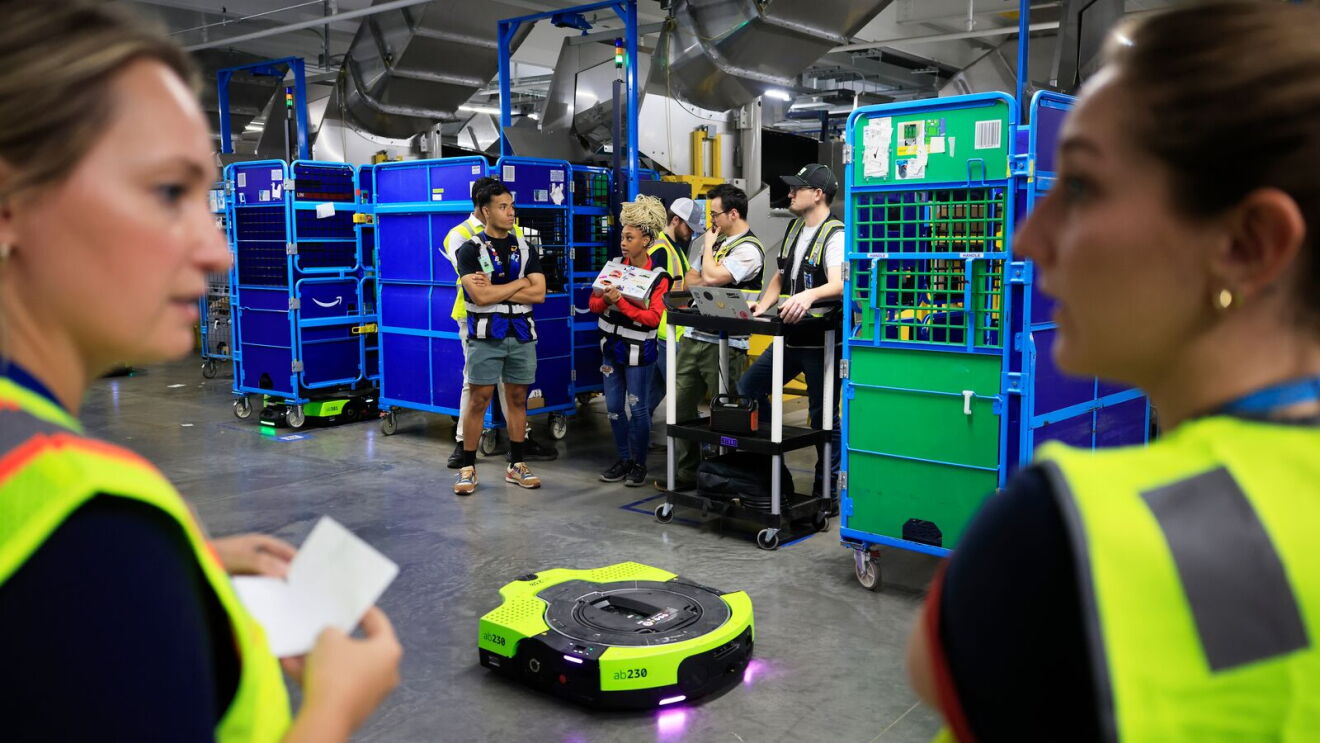
Autonomy's most consequential deployments are not on public roads or magazine covers. They are on warehouse floors, moving totes, and the numbers there dwarf everything else in the sector.
Amazon has passed one million robots across its fulfilment network — approaching parity with its human workforce — and reports that roughly three-quarters of its global deliveries are now assisted in some way by a robot. Separately, DHL Supply Chain and Locus Robotics have logged their one-billionth cumulative pick, and expanded their partnership with plans to field 5,000 more autonomous mobile robots. These are not pilot figures. They are the operating baseline of global commerce.
The reason warehouse autonomy succeeded where sexier verticals still struggle is that the environment was built to cooperate. Floors are flat and mapped, lighting is controlled, the actors are mostly known, and — critically — a mistake means a delayed parcel, not a blocked ambulance. The operational design domain that robotaxis spend billions trying to master, a warehouse operator simply draws on the floor.
The fleet is the product now
The interesting shift in 2026 is not more robots. It is the software coordinating them. Amazon's DeepFleet — a generative AI model trained on its own inventory and movement data — acts as a traffic-control layer across the fleet, and the company credits it with cutting robot travel time by about 10% across 300-plus facilities. At a million-robot scale, a 10% routing gain is a larger productivity event than most new hardware.
This is the tell for where value is migrating. The AMR fleet-management software market — the orchestration layer that assigns tasks, plans paths and deconflicts traffic across multi-brand fleets — is small today but growing fast, and it is where the defensible margins increasingly sit. Hardware is commoditising; coordination is not.
> [QUOTE] "An intelligent traffic management system for a city." — Scott Dresser, VP, Amazon Robotics, on DeepFleet
The adoption curve has steepened
The deployment data shows operators past the experimentation phase. Median fleet size for a new AMR deployment has risen from about 15 robots in 2024 to roughly 35 in 2026 as pilots convert to expansions. AMRs — which navigate dynamically with onboard SLAM — now outsell fixed-path AGVs roughly three to one in new deployments, as buyers choose flexibility over infrastructure. Reported RaaS economics are the reason: payback in the 12-to-36-month range depending on utilisation, with round-the-clock operation the decisive advantage over the labour it supplements.
The honest limits
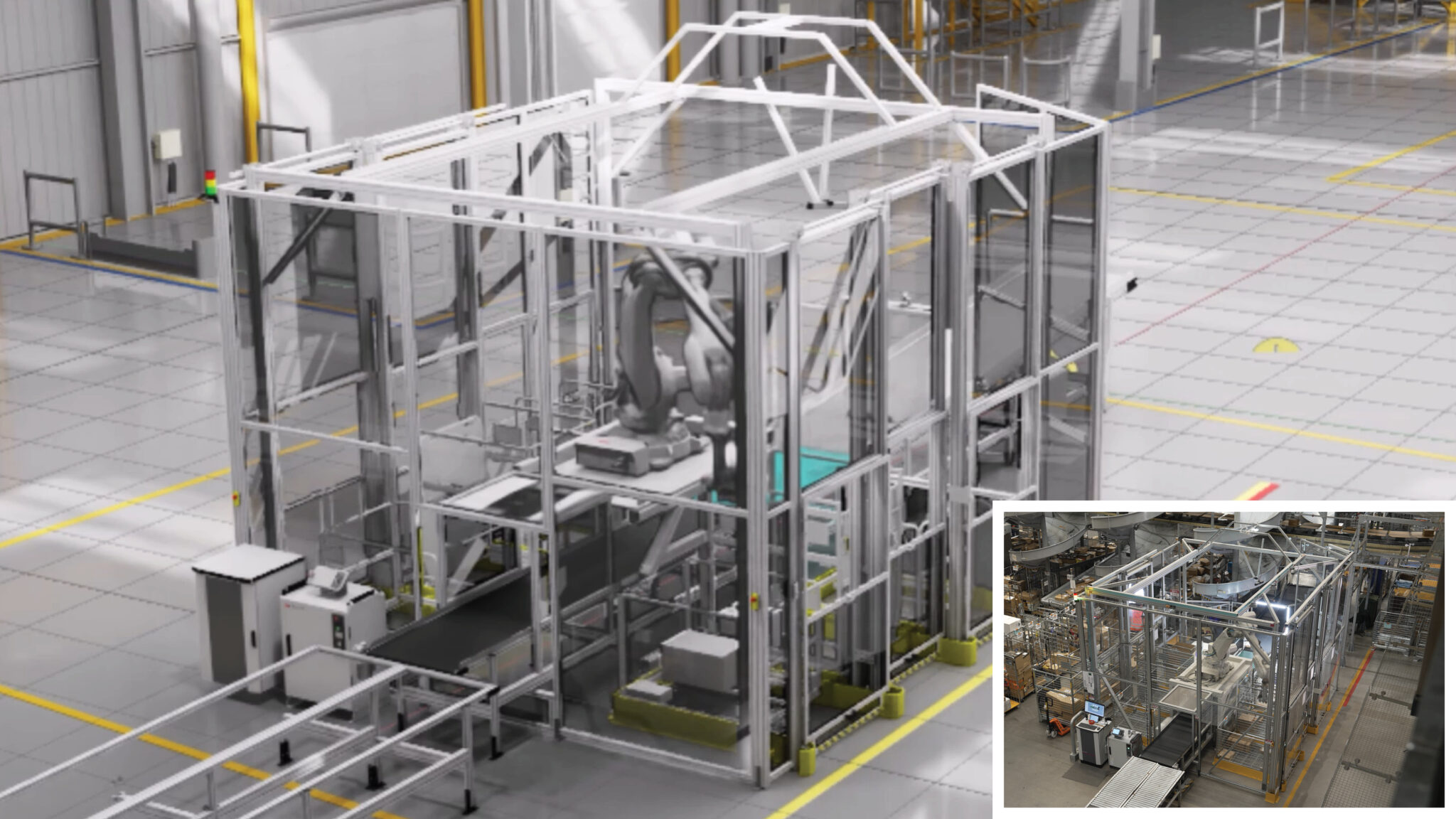
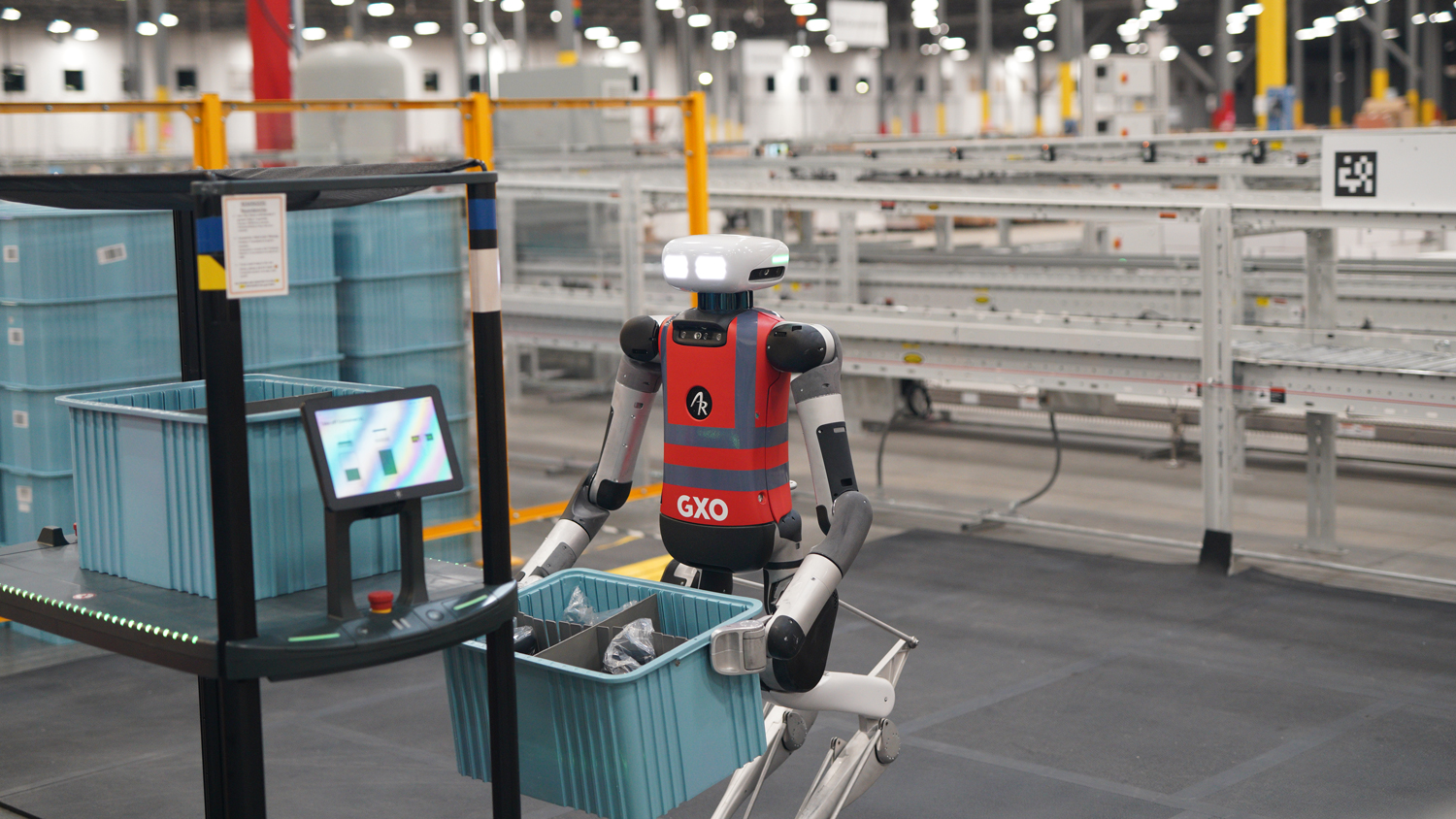
For all that, the buyer should hold the marketing at arm's length. Standard AMRs transport; they do not pick. Reaching into shelving still requires a separate manipulator, and autonomous mobile manipulation remains costly and immature — which is precisely the narrow gap the warehouse humanoids are targeting. AMRs work flat floors; mezzanines and multi-level sites need other solutions. And the cost story is shadowed by the same supply-chain politics reshaping the rest of the sector: Chinese leaders such as Geek+ and Hai Robotics undercut Western hardware by 30-50%, exactly the dynamic last week's FCC action is designed to interrupt.
What to watch
Three things: whether fleet-orchestration software detaches from hardware vendors into a genuine independent layer; whether mobile manipulation crosses from pilot to paid pick-work, and whether it's an arm on an AMR or a humanoid that gets there first; and how the supply-chain restrictions reprice a market that has quietly run on cheap Chinese robots. The warehouse is the one part of autonomy that already works at scale. That makes it the clearest preview of where the money, and the fights, go next.
Cite this article
Rob Polli. "Sector briefing: the warehouse is where autonomy already won." Autonomous Systems Review, 7 Aug 2026. https://autonomoussystemsreview.com/articles/sector-briefing-the-warehouse-is-where-autonomy-already-won.