Washington opens the throttle on robotaxis while the states reach for the brake
NHTSA's exemption for Zoox clears the last federal hurdle to paid rides in a purpose-built robotaxi — days before a California congressman moved to impose the national safety standards the agency has declined to write.
The US federal government and the cities that host autonomous vehicles are now pulling the industry in opposite directions, and the past fortnight has made the divergence impossible to ignore.
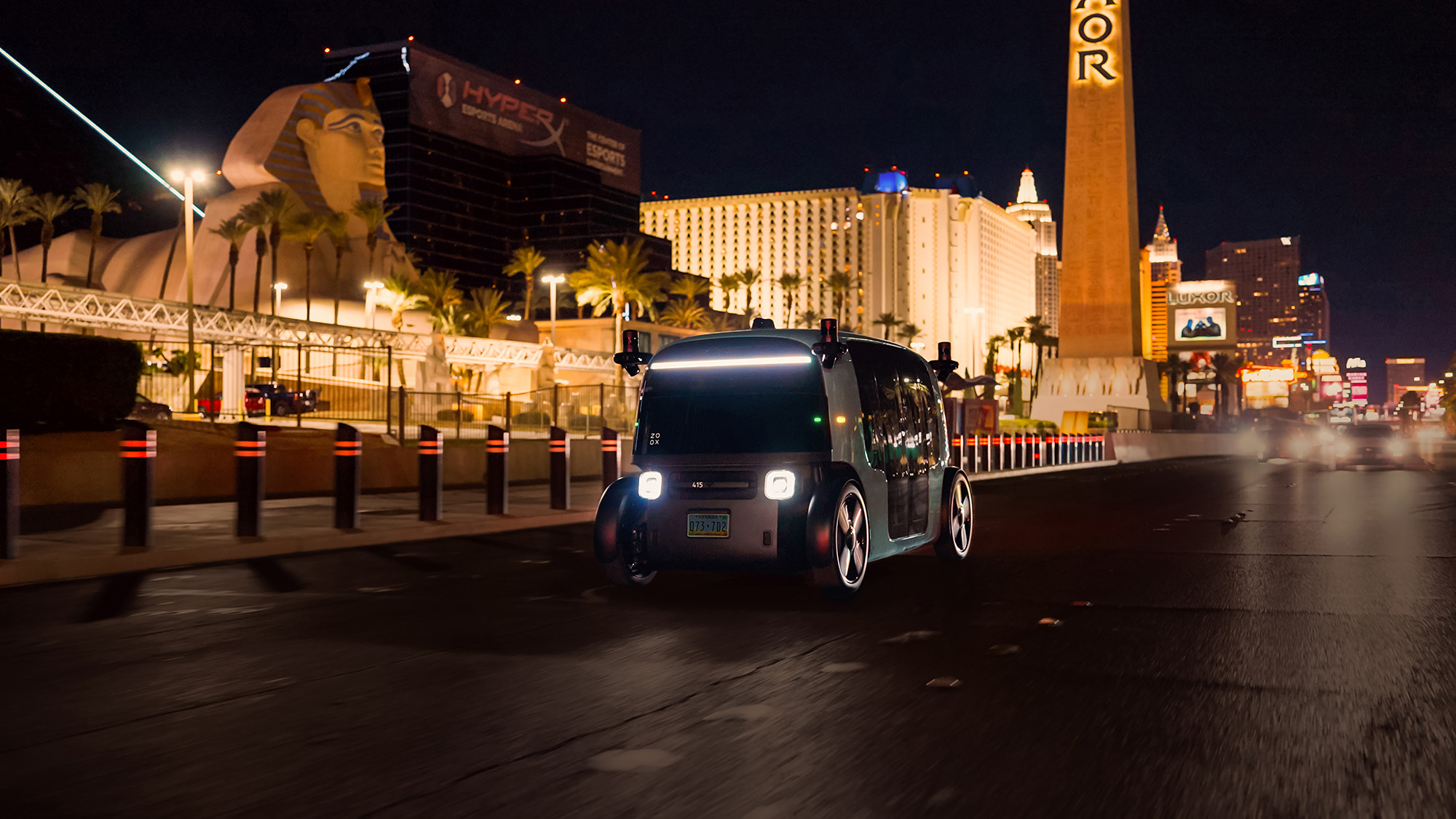
The National Highway Traffic Safety Administration issued a package of measures at the end of July intended to strip regulatory friction from AV development and deployment. The headline decision: a temporary exemption for Amazon-owned Zoox from eight Federal Motor Vehicle Safety Standards — the rules written for vehicles with steering wheels, pedals and mirrors that Zoox's bidirectional, purpose-built robotaxi deliberately omits. The exemption removes the final federal obstacle to commercial operation, and the company says paid rides will begin in Las Vegas imminently.
For a firm that has spent more than a decade and billions of Amazon's dollars on a clean-sheet vehicle, the exemption is the difference between a demonstration programme and a business.
The counter-current
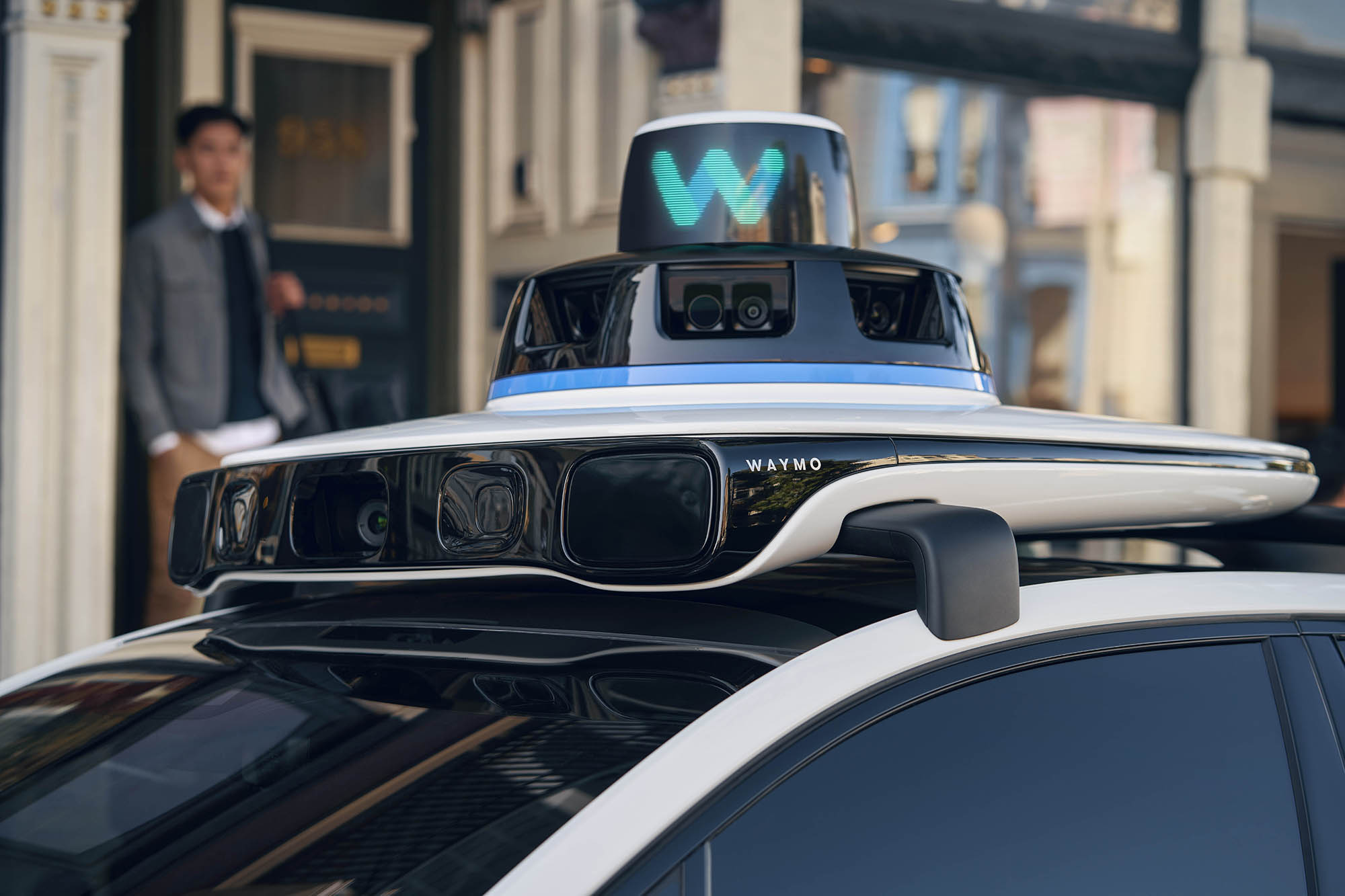
At street level, the mood is different. San Francisco mayor Daniel Lurie has asked California regulators to tighten the rules on autonomous vehicles after Waymo robotaxis became immobilised in heavy 4 July traffic, depleted their batteries and blocked key streets — compounding the congestion they were stuck in. Emergency-responder interactions have become the industry's most persistent operational failure mode, and the one regulators can least afford to ignore.
Representative Kevin Mullin, a California Democrat, has now proposed legislation directing federal regulators to set minimum national safety standards for AV operators — a floor the industry has so far operated without.
> [QUOTE] "An unacceptable number of incidents where autonomous vehicles inadvertently interfere with emergency responders." — Rep. Kevin Mullin (D-Calif.)
What it means
The pattern is familiar to anyone who has watched drone regulation evolve: a national regulator keen to enable an industry, and local authorities left to manage its failure modes. The operational data — stranded vehicles, blocked fire lanes, freeway suspensions (Waymo only returned to US freeways in late July after a two-month pause over construction-zone behaviour) — sits with the cities. The permissions sit with Washington.
For operators, the near-term risk is not federal. It is a patchwork of state and municipal responses to incidents that the industry's own intervention data could have predicted. Until companies publish that data voluntarily, legislators will keep proposing to extract it.
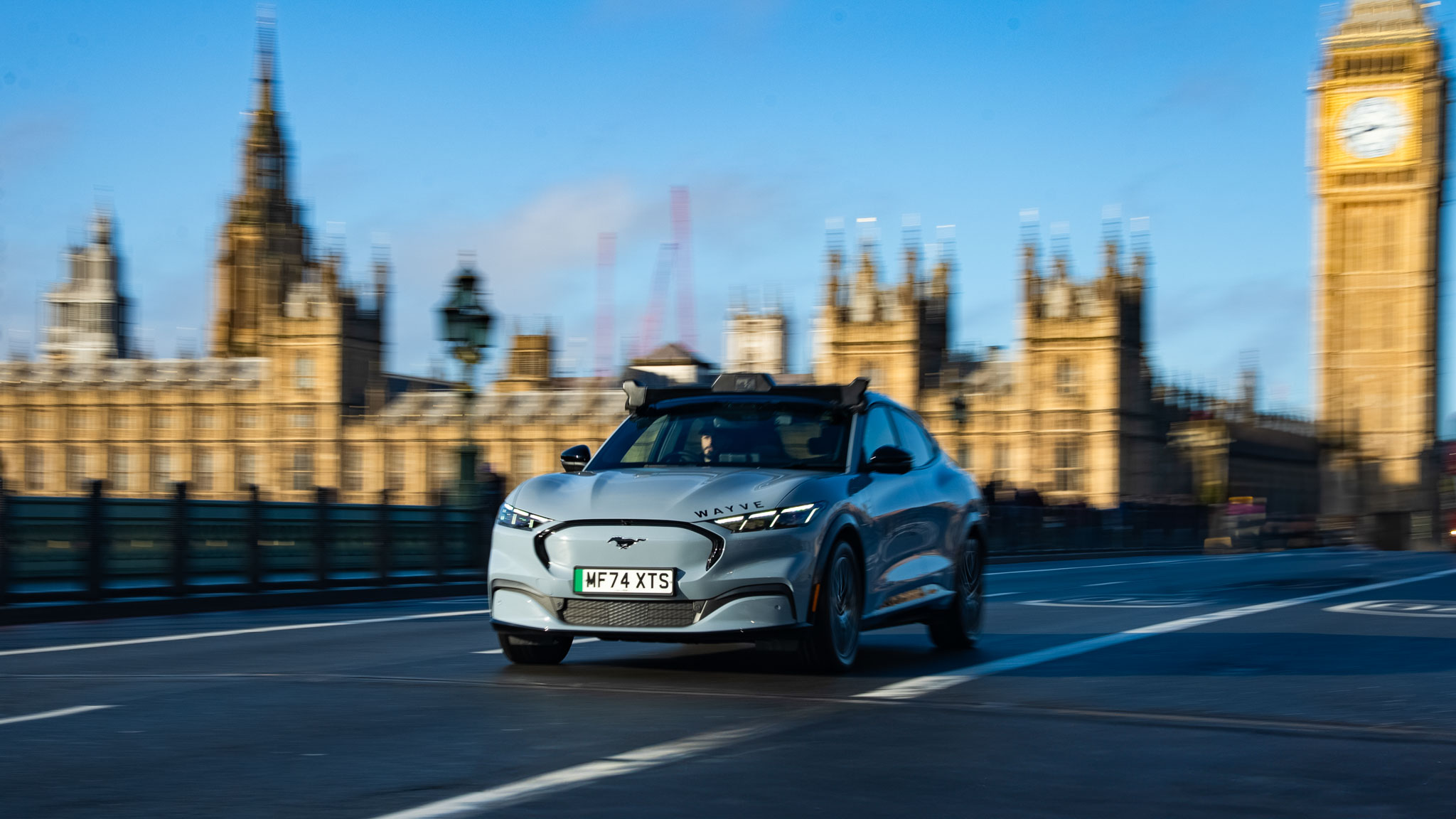
London, meanwhile, is assembling its own robotaxi contest — Baidu testing with Lyft and Freenow, Waymo running safety-driver trials since April, and Uber and Wayve targeting a launch this year. UK regulators would do well to study which of the two American approaches they intend to import.
Cite this article
Rob Polli. "Washington opens the throttle on robotaxis while the states reach for the brake." Autonomous Systems Review, 7 Aug 2026. https://autonomoussystemsreview.com/articles/washington-opens-the-throttle-on-robotaxis-while-the-states-reach-for-the-brake.