Explainer: what "driverless" actually means — teleoperation, and the humans behind the machine
Every autonomous fleet on the road today has people in the loop. Understanding the spectrum from remote advice to remote driving — and why the industry blurs it — is essential to reading any operator's safety claims.
When a robotaxi with no one inside navigates a city street, it is tempting to assume no human is involved at all. In practice, every commercial autonomous fleet operating today is backed by an operations centre staffed with people whose job is to help vehicles that get confused. The industry calls this teleoperation, and the term hides a spectrum of very different capabilities.
The spectrum
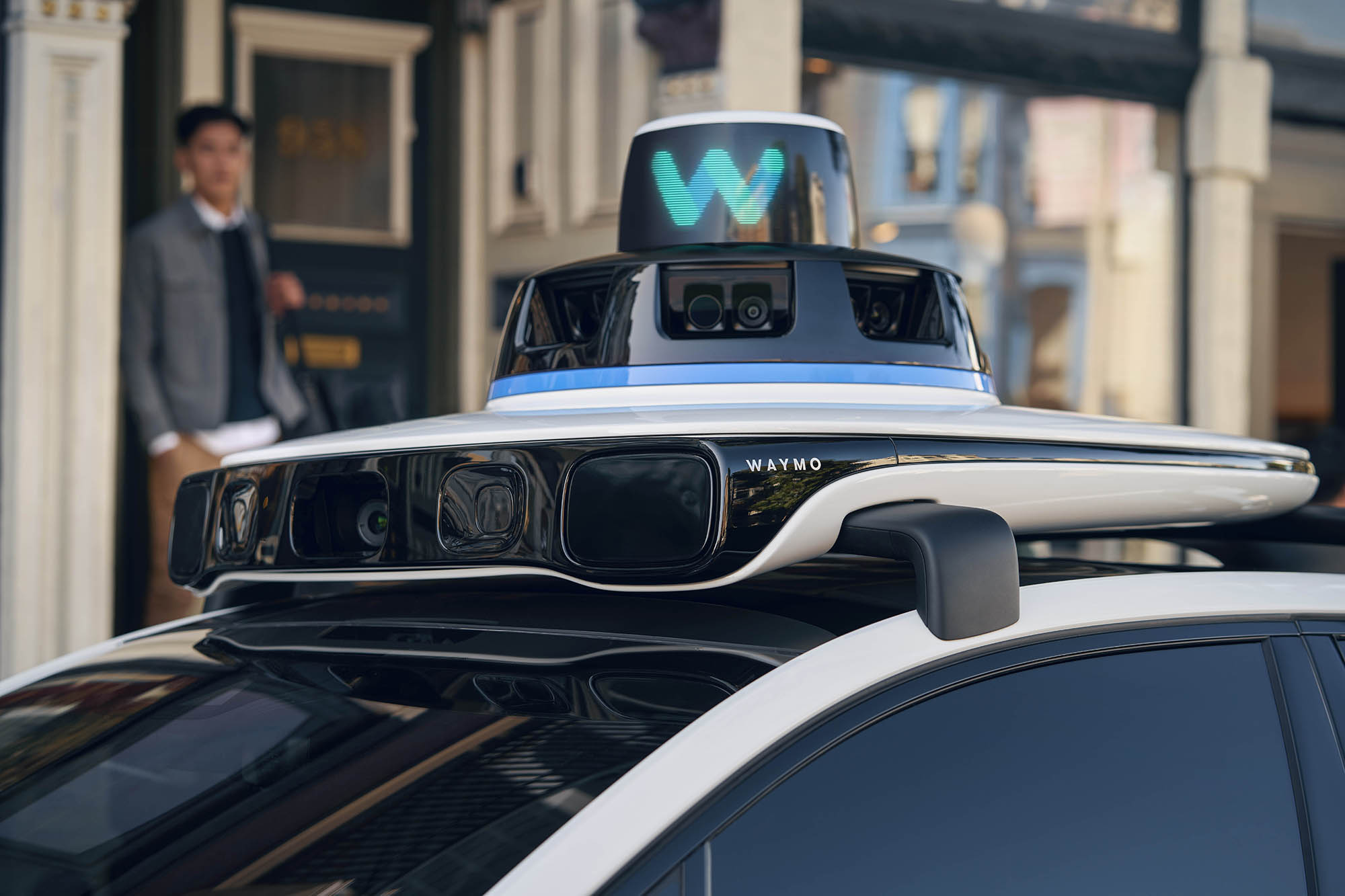
At one end sits remote assistance. The vehicle remains the decision-maker at all times; when its planner encounters a situation it cannot resolve — an ambiguous construction zone, a police officer waving it through a red light — it stops, phones home, and a remote operator answers questions. That answer might be a confirmation ("yes, that lane closure is real"), a suggested path drawn on a map, or permission to break a nominal rule such as crossing a double yellow line. Crucially, the human never touches a steering input. Waymo's fleet response model works this way: guidance in, but the vehicle's own software still executes — and can still refuse.
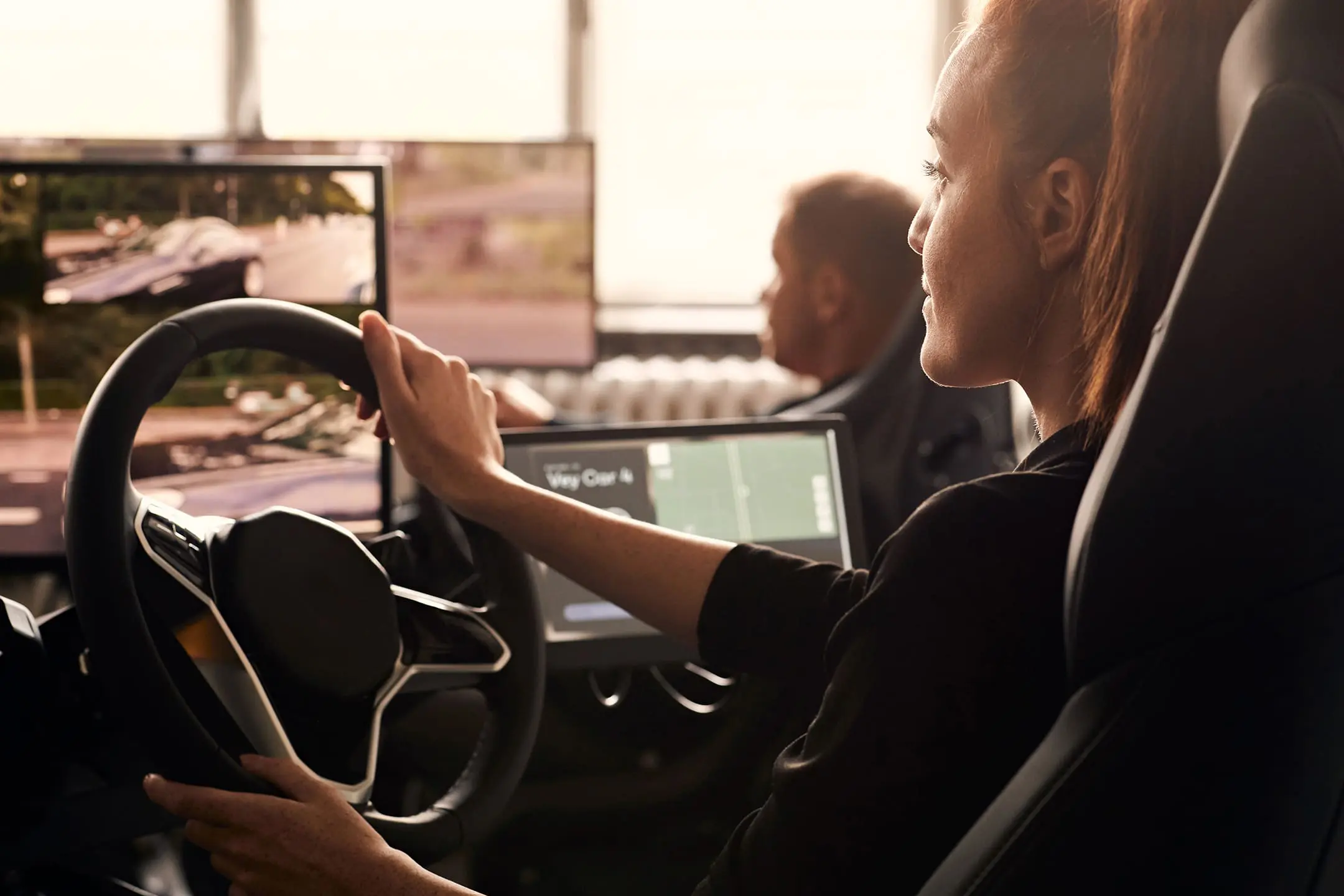
At the other end sits remote driving: a human in an operations centre with a wheel, pedals and a bank of screens, directly controlling the vehicle over a mobile network. A small number of companies have built businesses on this model, and some robotaxi operators use it as a recovery tool to extract stuck vehicles at low speed.
Between the two lies waypoint control — the operator plots a short path, the vehicle drives it autonomously — which is how most "rescues" of stranded robotaxis actually happen.
Why direct remote driving is hard
The obstacle is physics. A control loop running over 4G or 5G carries round-trip latency that varies from tens to hundreds of milliseconds, and it is the variance, not the average, that kills you: a human can adapt to a consistent delay but not an unpredictable one. Add video compression artefacts, dropped frames in network dead zones, and the absence of vestibular feedback — a remote driver cannot feel the car — and safe direct control degrades quickly with speed. This is why serious remote-driving deployments cap velocity, mandate minimum network conditions, and fail safe to a controlled stop when the link degrades.
The metric nobody publishes
The commercially sensitive number in all of this is the staffing ratio: how many vehicles one remote operator supervises. It is the denominator of the entire business case. A fleet needing one operator per two vehicles has not removed the driver — it has moved the driver into a building and added a network dependency. A fleet running one operator per fifty vehicles is a fundamentally different economic proposition. Operators discuss ride volumes freely; almost none disclose this ratio, or how often assistance events occur per thousand miles.
Recent incident reports show why it matters operationally as well. When emergency responders in San Francisco have encountered stranded robotaxis, the documented failure was not the vehicle's sensors — it was the recovery chain: remote teams unable to reposition a vehicle, leaving firefighters to move it manually. Teleoperation capacity, latency and escalation procedure are safety-critical systems, and they deserve the same scrutiny as the perception stack.
The regulatory state of play
Regulators are beginning to treat the remote human as a formal part of the system. The UK's Automated Vehicles Act 2024 created the licensed "no-user-in-charge operator" — the entity responsible for a vehicle when nobody aboard is accountable — which in practice means the teleoperation organisation itself needs a licence. Germany moved early on remote-driving rules; several US states now require documented remote-assistance protocols and emergency hotlines as permit conditions.
The one-line takeaway for anyone evaluating this industry: "driverless" describes the seat, not the system. The right questions are how far away the humans are, how many vehicles each one watches, and what happens in the seconds when the network drops.
Cite this article
Rob Polli. "Explainer: what "driverless" actually means — teleoperation, and the humans behind the machine." Autonomous Systems Review, 4 Aug 2026. https://autonomoussystemsreview.com/articles/explainer-what-driverless-actually-means-teleoperation-and-the-humans-behind-the.