Britain's first robotaxi licence goes to the company that threw away the map
Transport for London has licensed Wayve's camera-only, mapless fleet for Uber rides — putting a homegrown AV champion ahead of Waymo in the capital, and staking the UK's autonomy debut on the riskier of the sector's two philosophies.
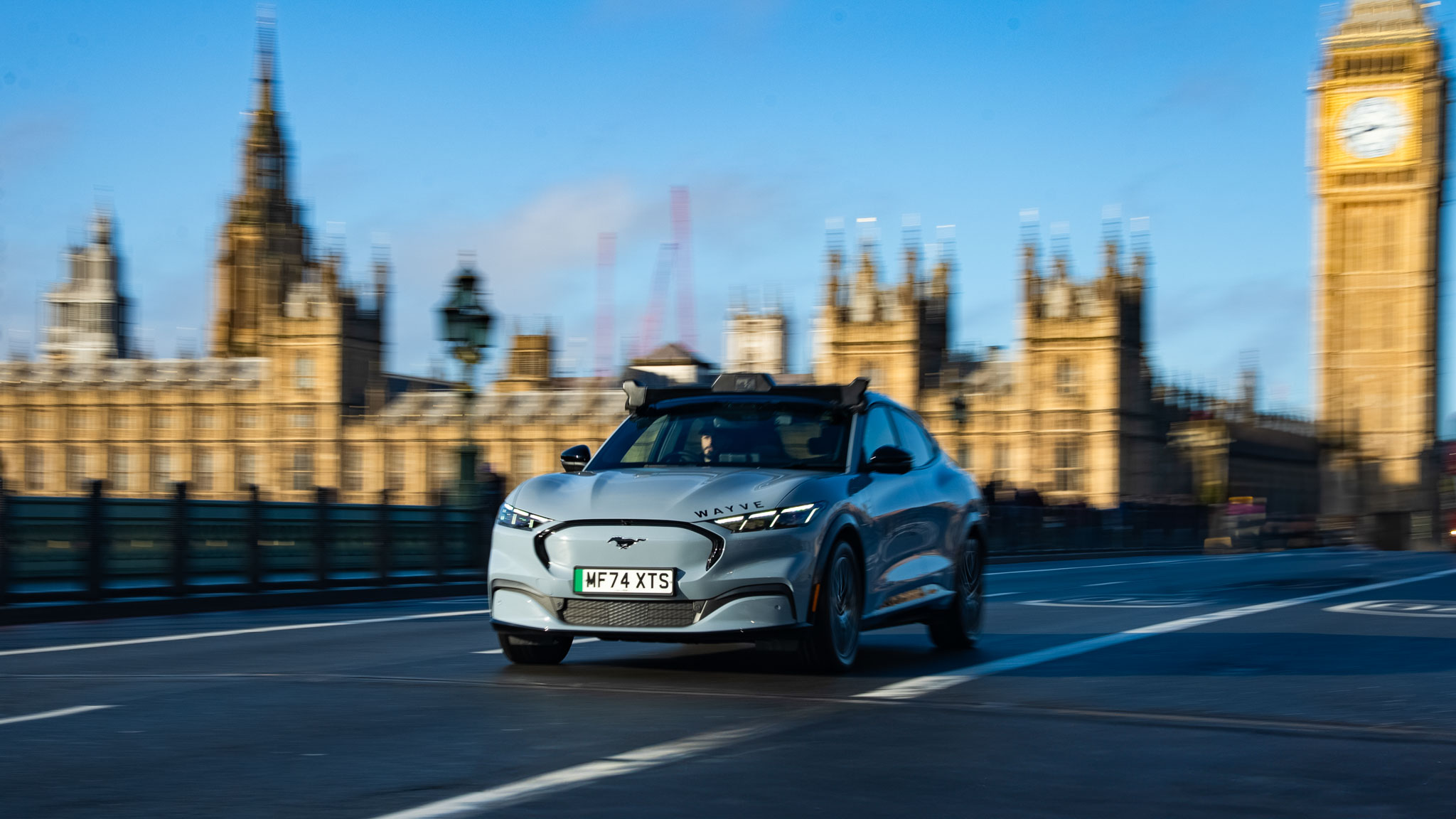
On 5 August, Transport for London granted private-hire vehicle licensing to Wayve's autonomous fleet — a batch of Ford Mustang Mach-Es — making the Cambridge-founded company the first to clear the regulatory bar for driverless Uber rides in London. It is a milestone for British technology, and a revealing one: the UK's first licensed robotaxi is also the sector's boldest architectural bet.
Wayve carries no HD map and, unusually for a Level 4 vehicle, no lidar. Its "AV2.0" approach is end-to-end embodied AI — a system that learns to drive from experience and camera input rather than from centimetre-accurate prior maps and hand-coded rules. The company's signature demonstration is a single AI Driver that handled 90 cities in 90 days across Europe, North America and Japan with minimal local fine-tuning, the mapless generalisation that HD-map-dependent rivals cannot easily match.
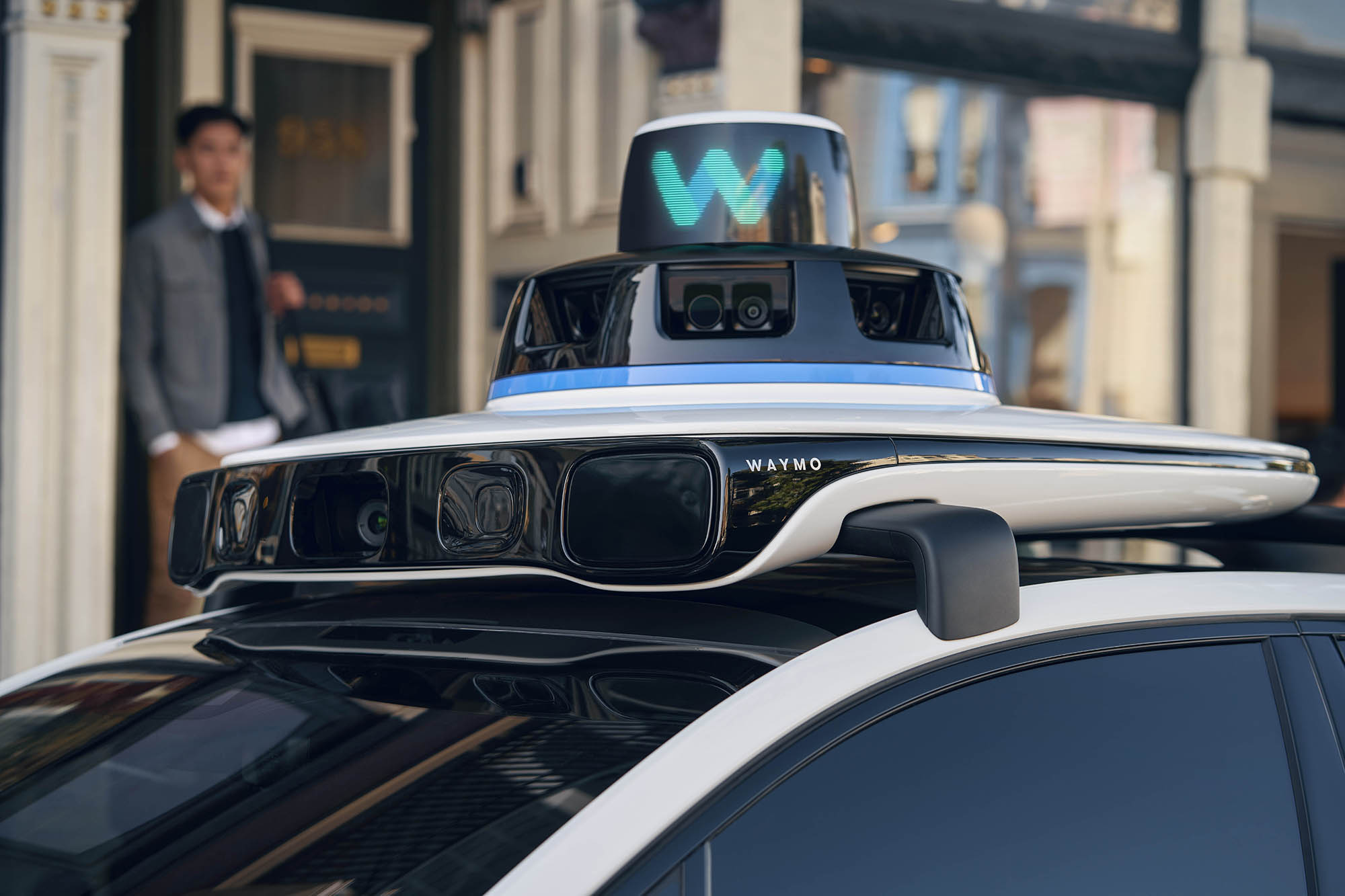
The contrast with the competition could not be sharper. Waymo, which began London testing in April and is working toward its own commercial launch later this year, runs the opposite philosophy: a sensor-heavy stack — reportedly five lidar units, 29 cameras and six radars — anchored to centimetre-accurate maps of every zone it operates in. One approach measures the city and memorises it; the other infers it on the fly. London is about to become the highest-profile head-to-head test of the two.
Why London, why now
The licence sits inside a deliberate government push. Ministers fast-tracked commercial self-driving pilots to spring 2026 — pulled forward from a late-2027 timeline — under the framework flowing from the Automated Vehicles Act, with the Transport Secretary tying the move to a projected 38,000 jobs and £42bn in economic value. Full AV regulations are expected in force in the second half of 2027; the current pilots exist precisely to gather the operational data that will shape them.
That timing is the story's substance. The UK is running its trials after watching California's robotaxi troubles unfold in public — the emergency-responder incidents, the stranded-vehicle gridlock, the legislative backlash. British regulators have the rare advantage of designing a framework with the American failure modes already visible.
What to watch
Three things will determine whether this is a genuine lead or a photogenic head start. First, scale and geography: a PHV licence is not a fleet — watch how many vehicles actually carry paying riders, across how many boroughs, and whether a safety operator remains aboard during the pilot. Second, the mapless bet under pressure: camera-only, map-free driving is elegant when it works, but London's weather, roadworks and improvisational road users are an unforgiving test of inferred perception. Third, the disclosure question ASR keeps returning to — whether Wayve, TfL or the government publishes intervention and disengagement data from these pilots, or whether Britain repeats the American habit of letting the incident logs write themselves.
For now, the headline is simple and genuinely notable: the first company cleared to run robotaxis on British roads is British, and it got there by betting on the harder half of the sensor argument. Whether that bet pays off is the most interesting question in European autonomy this year.
Cite this article
Rob Polli. "Britain's first robotaxi licence goes to the company that threw away the map." Autonomous Systems Review, 5 Aug 2026. https://autonomoussystemsreview.com/articles/britains-first-robotaxi-licence-goes-to-the-company-that-threw-away-the-map.