The drone that couldn't get planning permission: what grounded Manna in Ireland
Europe's most active delivery-drone operator halted flights in the country that built it — not over airspace or safety, but a noise assessment and a council planning refusal. Meanwhile a quieter British operation kept flying. The lesson is about permission, not propulsion.
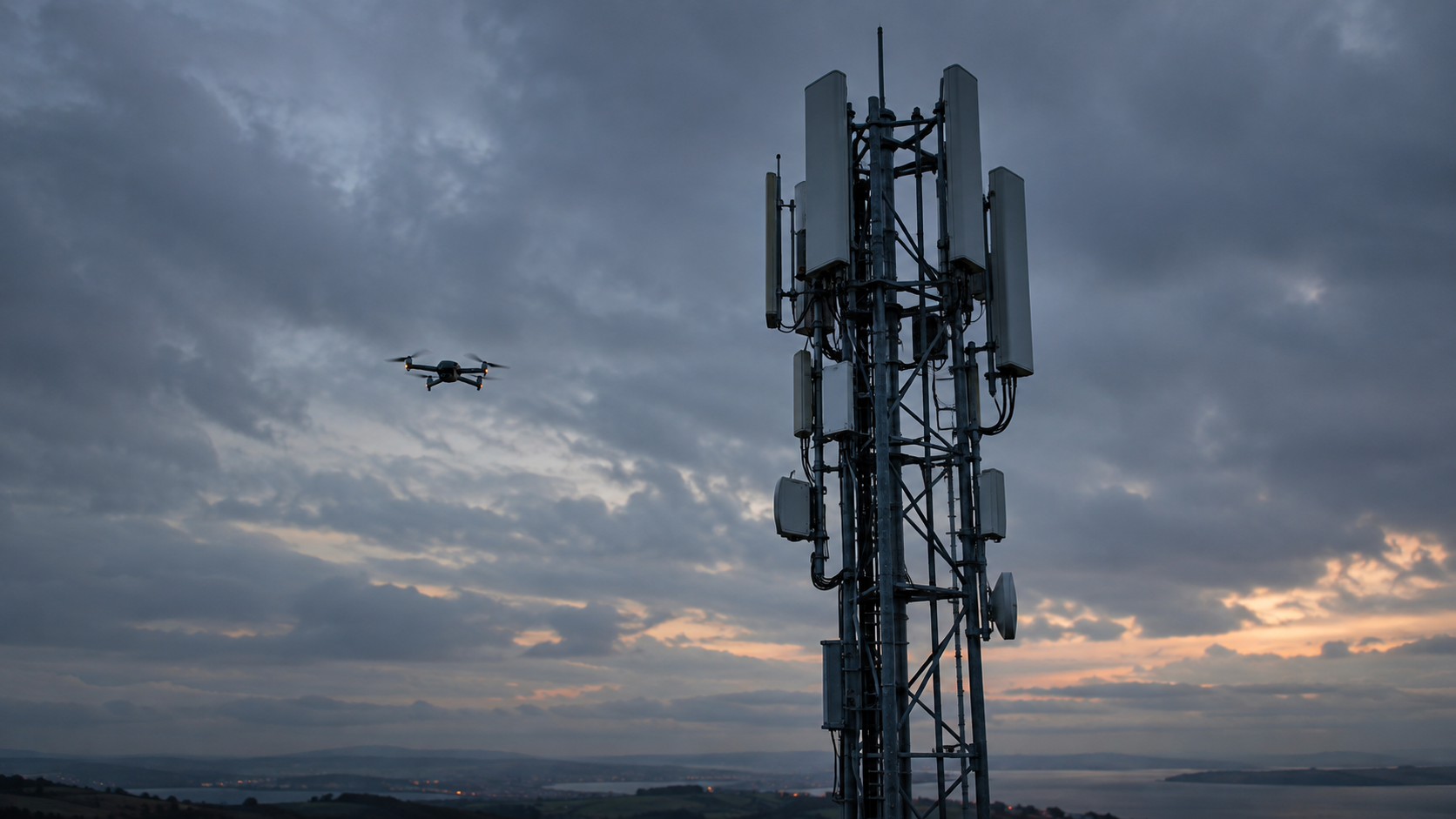
In June 2026, Manna Air Delivery paused its drone-delivery operations in Ireland — the country where it was founded and where it had invested close to €50 million since 2019. The company did not run out of technology, funding or flights. It ran out of somewhere to take off from.
The proximate cause was a planning refusal. Dún Laoghaire-Rathdown County Council declined permission for a delivery hub near Dundrum Town Centre, and — this is the instructive part — the refusal had nothing to do with aviation safety or a gap in drone regulation. It turned on a Noise Impact Assessment the council judged insufficient, specifically its reliance on averaged noise metrics ill-suited to the intermittent, repetitive buzz of drone operations, and on an ecological assessment deemed inadequate on biodiversity grounds.
Founder Bobby Healy pointed past the single decision to a structural one: the absence of a clear national framework for where and how delivery drones may operate. The company is redirecting growth to the US and UK, keeping its R&D and manufacturing in Ireland, and Healy has warned that Ireland risks ceding the field to Amazon and Chinese operators. Roughly 200 jobs were put at risk. His parting line — that the country needs "clarity around policy and planning to proceed" — is the entire thesis of this piece.
The contrast that proves the point
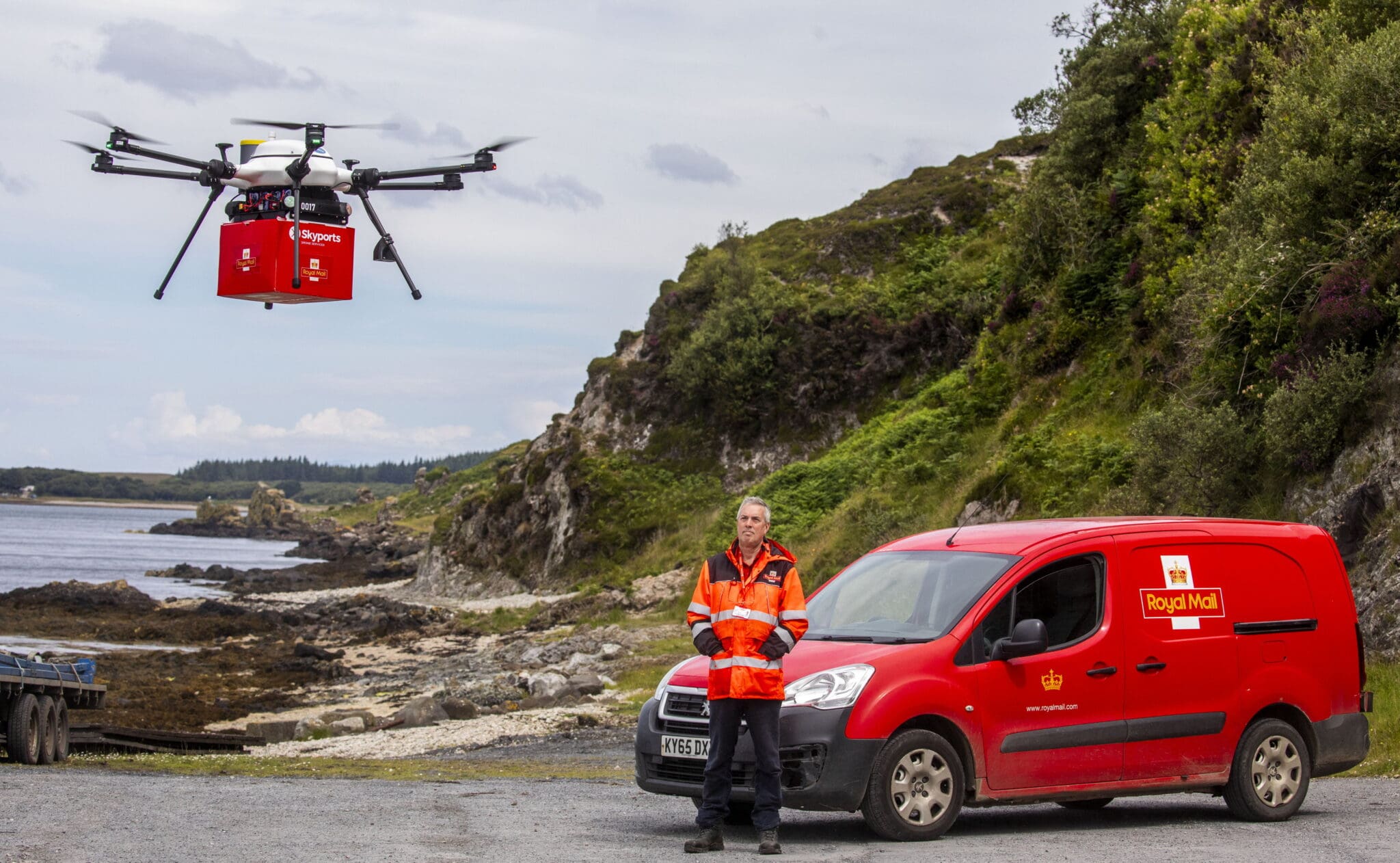
While Manna was grounding, a far less glamorous British operation kept flying. Skyports Drone Services and Royal Mail have run the Orkney I-Port service — a daily inter-island mail run between the Orkney Mainland and the islands of Graemsay and Hoy — as one of the first regular UK commercial drone-delivery operations conducted under existing rules, using a beyond-visual-line-of-sight framework with visual mitigation.
The numbers are modest and, for exactly that reason, persuasive: hundreds of flights covering well over 1,360 kilometres in all weather, cutting some delivery times by up to 24 hours, with local posties trained to act as the visual observers the framework requires. No hype, no eVTOL renders — a working public service.
Why did one fly and the other stop? Not technology; both companies fly capable aircraft. The difference is the operating environment in the fullest sense. Orkney offered a sparse population, a genuine service need (remote islands, a Universal Service Obligation to meet), cooperative local institutions, and — crucially — a route that fit the permissions available. Manna's suburban Dublin hub collided with dense population, noise-sensitive neighbours, and a planning system with no drone-shaped category to slot the application into.
The real regulatory frontier
The drone-delivery industry talks constantly about BVLOS approval as the unlock — and it matters. The UK's CAA is targeting routine BVLOS operations around 2027; the US Part 108 rule remains pending. But Manna's grounding is a reminder that airspace permission is only half the problem. The other half is on the ground: noise ordinances, planning permission, biodiversity rules, community consent. A company can hold every aviation authorisation going and still be stopped by a county council with concerns about a car park.
This is the maturing sector's uncomfortable lesson. The hard part is shifting from "can the aircraft fly this route safely?" — increasingly, yes — to "will a community accept dozens of buzzing deliveries a day over their gardens, and does any legal framework let a council say yes cleanly?" Noise, in particular, is the sleeper issue: intermittent and repetitive, it is precisely the kind of nuisance that averaged environmental metrics understate and residents notice immediately.
What to watch
For operators and investors, three questions now matter as much as the flight envelope. Does the target market have a national framework that covers ground infrastructure, not just airspace? Is there a real service need that buys community goodwill — medical, postal, remote-island logistics — rather than convenience food into a suburb? And has anyone modelled the noise honestly? The winners in European drone delivery will not necessarily be the best aircraft. They will be the operators who solved permission before they solved propulsion.
Cite this article
Rob Polli. "The drone that couldn't get planning permission: what grounded Manna in Ireland." Autonomous Systems Review, 4 Aug 2026. https://autonomoussystemsreview.com/articles/the-drone-that-couldnt-get-planning-permission-what-grounded-manna-in-ireland.