Sector briefing: the 35-year-old phone rule that kept drones off America’s best spectrum
On 29 October the FCC votes to let drones use 50 MHz of the 800 MHz cellular band. The carriers want it, the drone makers want it, and nobody objected. The interesting questions are why it took until now, and who still gets left out.
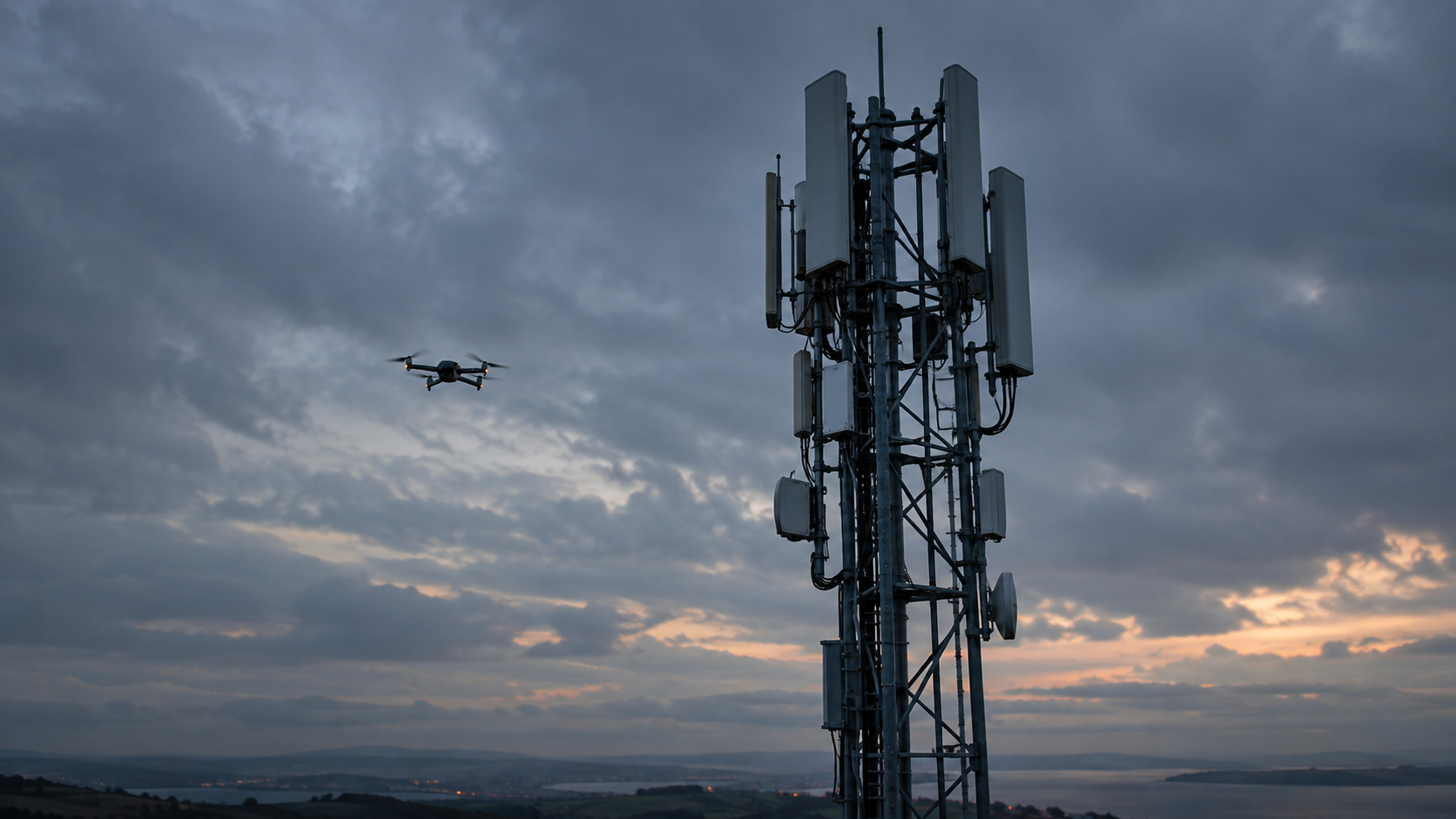
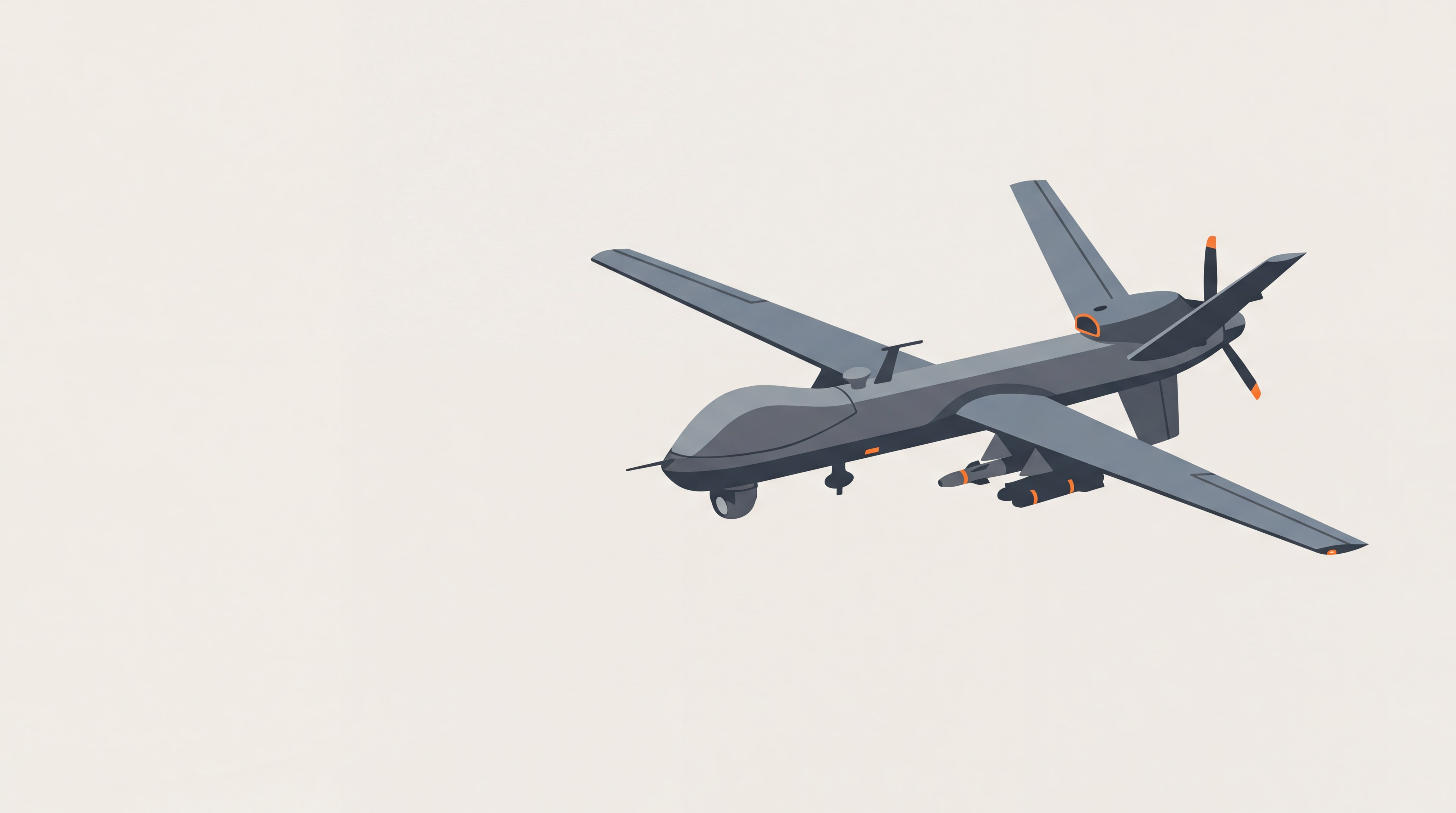
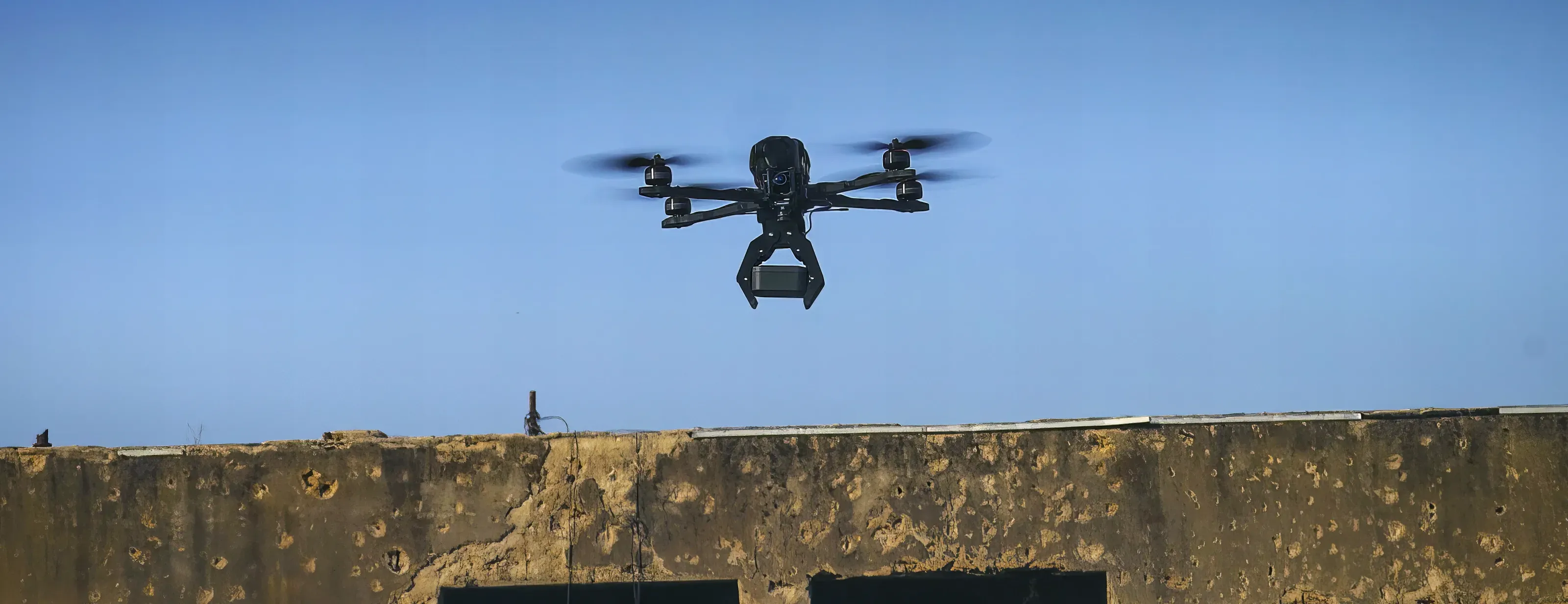
In 1991 the Federal Communications Commission wrote a rule to stop passengers using cellular phones on aircraft. The concern was that a handset at altitude would light up dozens of ground cells at once and jam the network for everyone below. It was sensible at the time. It was still on the books thirty-five years later, and it applied to any airborne device — including the drone trying to hold a command-and-control link over a cellular network while flying beyond its pilot's line of sight.
On 29 October the Commission votes on a Report and Order that deletes the restriction for uncrewed aircraft. If it passes — and the draft published on 8 October suggests it will — drones gain access to 50 MHz of licensed, nationwide, low-band spectrum in the 800 MHz cellular band, held mostly by AT&T and Verizon.
Why low-band matters
Spectrum is not all equal. The high bands carry more data over short distances; the low bands carry less data much further and through more obstacles. For a drone, the data need is modest — telemetry, control, perhaps a compressed video stream — but the need for an unbroken link across a long route is absolute. Low-band cellular is the right tool, and the 700 MHz band next door has been carrying drone traffic for years with no interference problem the FCC could find. The 800 MHz band was blocked only because a rule written for passengers never contemplated an aircraft with no passengers.
Who asked for it
The filing record is unusually tidy. AT&T and Verizon, who own the spectrum, supported opening it. Zipline, Skydio, Lockheed Martin, the Choctaw Nation of Oklahoma, the Commercial Drone Alliance, the Small UAV Coalition and AUVSI all filed in favour. The chipmakers supplied the interference analysis. Zipline asked for a reduced-power or altitude-capped version; the draft order rejects even that, on the grounds that the record supports removing the restriction entirely.
A proceeding with no opposition that still took from January 2023 to October 2026 tells you something about the pace of spectrum regulation rather than the difficulty of the question.
Who is still left out
The catch is in the word "licensed". The 800 MHz band belongs to the carriers. An operator uses it by buying a cellular data plan and flying on the carrier's network, which is exactly how Zipline, Wing and the utility-inspection fleets already work on other bands. For them, this is more capacity and better coverage.
It does nothing for the operator who does not have, or does not want, a carrier contract — the agricultural sprayer in a valley with no coverage, the public-safety unit that needs its own link, the defence contractor whose drone cannot be seen to depend on a commercial network. That constituency is waiting on a separate question: whether the FCC's Wireless Bureau opens dedicated spectrum at 5 GHz for drone command links. The 800 MHz vote clears the easy item off the docket. The hard one is still there.
The other item on the same agenda
Readers who followed our August reporting on the FCC adding foreign mobile robots to its Covered List should note what else is being voted on at the 29 October meeting: final rules requiring that equipment testing and certification labs be either US-based or located in a country with a reciprocal agreement. Senior FCC staff told reporters that virtually all certification testing currently happens abroad, and that the Commission has seen copied-and-pasted documentation from some foreign labs.
Together the two items describe the same policy in two moves. American drones get more spectrum. Foreign-tested drone electronics get a harder path to selling in America. Chairman Brendan Carr's blog post announcing the agenda was titled "Hammer Down" and framed both under "American drone dominance". The phrasing is political; the effect on procurement is practical, and it points in one direction.
For operators outside the US
The spectrum change is domestic and applies to nobody else. The lab rule is not: any manufacturer, anywhere, that certifies equipment for the US market through a third-country lab needs to check whether that lab survives the new test. The practical scope will depend on the final order and which countries sign reciprocal agreements — watch for the list.
What to watch
The 29 October vote, which should be a formality. Then the implementation date, and whether AT&T and Verizon announce drone-specific service plans on the back of it. Then the 5 GHz question, which is the one that would actually change who can fly.
Cite this article
Rob Polli. "Sector briefing: the 35-year-old phone rule that kept drones off America’s best spectrum." Autonomous Systems Review, 19 Oct 2026. https://autonomoussystemsreview.com/articles/fcc-800mhz-drone-spectrum-briefing.