Explainer: Why a $500m Robotics Bet Hinges on Disposable Hands
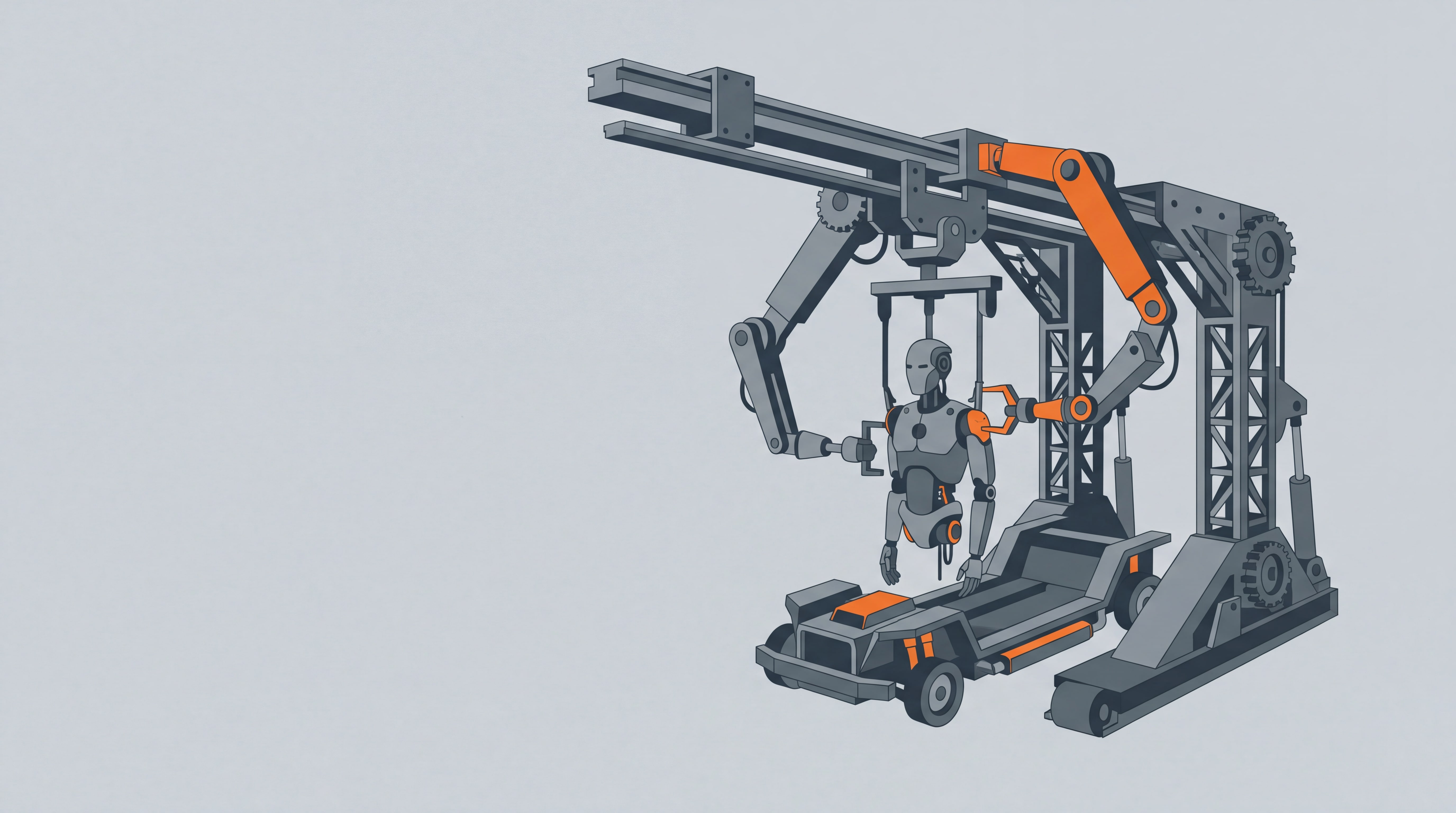
Genesis AI has raised $500m and built a robot workforce taught by humans wearing sensor gloves. The commercial logic depends on whether mechanical hands that last only weeks represent an unavoidable trade-off or a design problem the industry has yet to solve.
The Commercial Problem
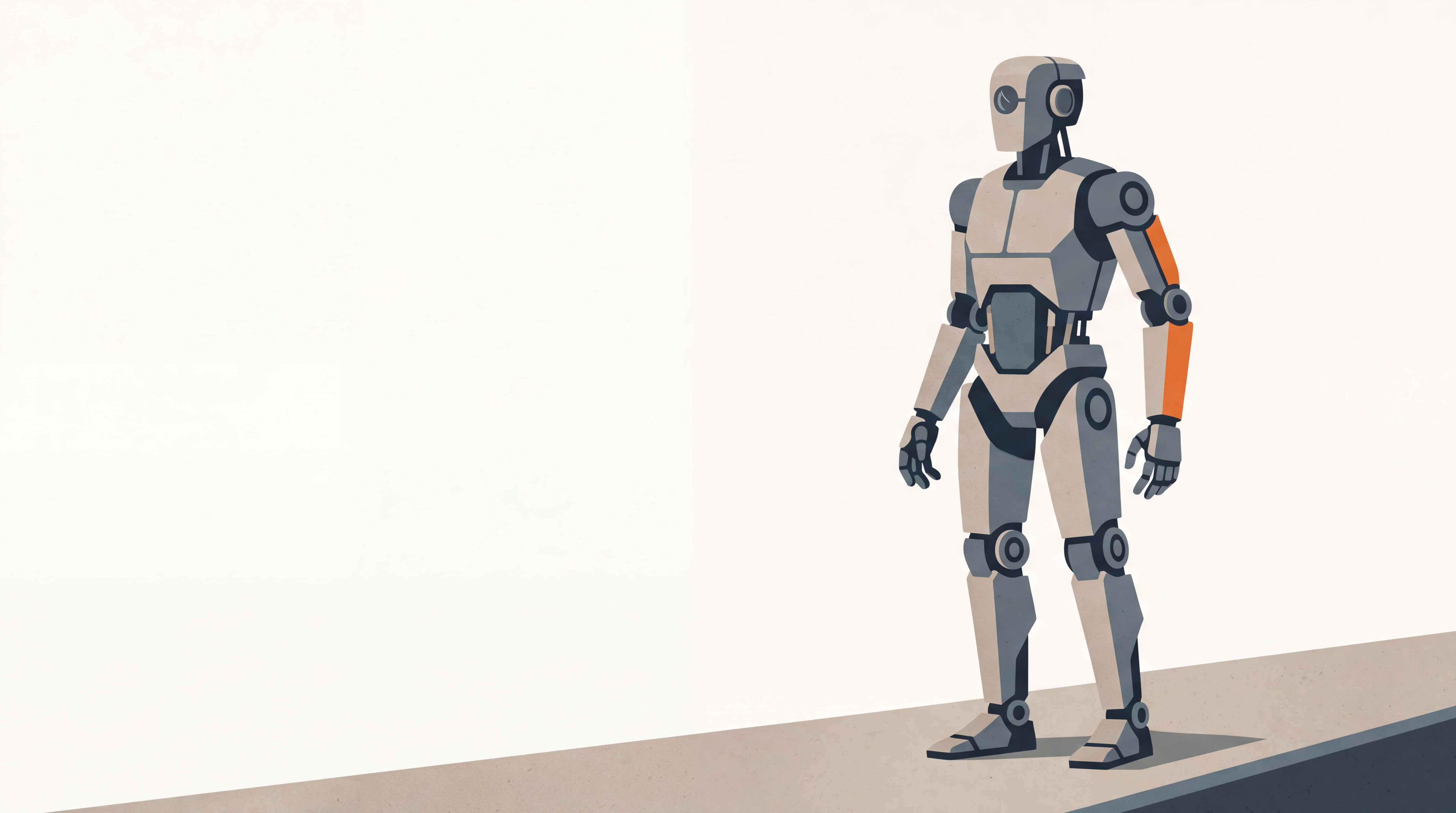
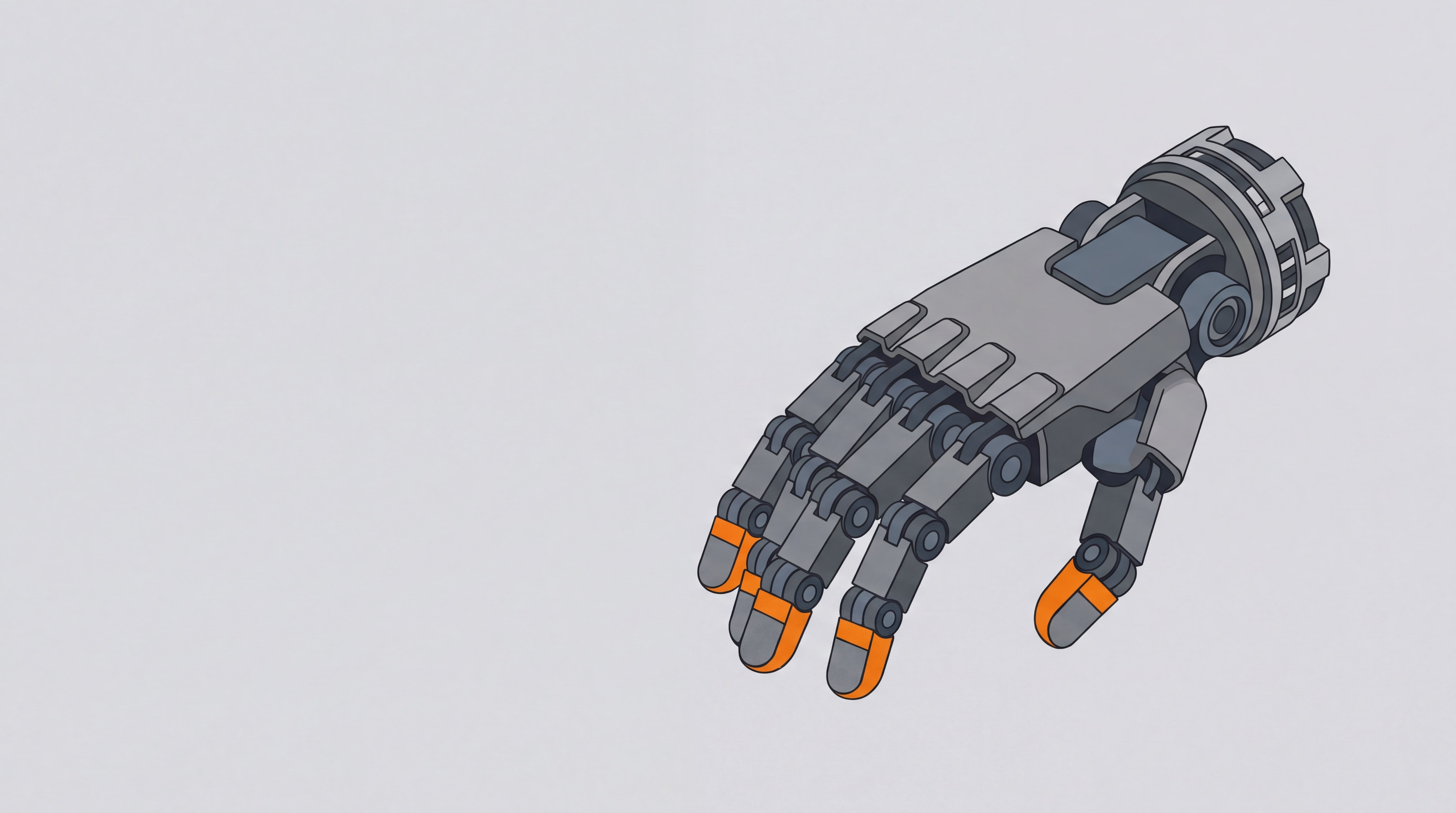
Genesis AI has raised $500 million to build robots capable of dexterous manipulation — the kind of fine-grained, force-sensitive work that has historically resisted automation. The company uses more than 100 workers equipped with sensor gloves to demonstrate how much force to apply with individual fingers. The robots wear the same gloves. The ambition is clear. The constraint is also clear: according to Genesis's chief executive, the mechanical hands on these robots need replacing after a few weeks of regular operation.
That detail deserves examination. If hand replacement is a routine consumable cost built into the operating model, it may be commercially acceptable. If it signals that the underlying design cannot yet survive the demands of real work, it is a more serious problem — one that $500 million does not automatically solve.
What the Technology Actually Does
The sensor glove approach is a form of imitation learning, sometimes called teleoperation or demonstration-based training. Human operators perform tasks while wearing instrumented gloves that capture grip force, finger position and motion. That data trains the robot to replicate the same movements with calibrated pressure. The robot then wears compatible sensor hardware to close the feedback loop during operation.
This is a reasonable solution to one of the hardest problems in robotics: teaching a machine not just where to move, but how firmly to grip without crushing, dropping or mishandling an object. The human hand is extraordinarily capable, and replicating even a fraction of that capability in a mechanical system requires both sophisticated sensing and mechanical components that can survive repeated, varied contact.
The difficulty is mechanical durability. Fingers, joints and actuators in a dexterous robotic hand are small, complex and subject to continuous stress. They operate under variable loads, encounter unexpected objects and are asked to perform repetitive motions at speed. These are conditions that wear components quickly.
Where the Argument Is
The question of whether short-lived hands represent an engineering constraint or a design immaturity is not straightforward, and the honest answer is that it is probably both.
On one side, there is a legitimate argument that high-dexterity end effectors are inherently consumable in the same way that cutting tools or conveyor belts are consumable in other industrial contexts. If a robotic hand costs relatively little to manufacture at scale, and if replacement takes minutes rather than hours, the total cost of ownership may still be competitive with human labour or simpler automation. In that framing, a lifespan measured in weeks is a maintenance schedule, not a failure.
On the other side, there is a reasonable counter-argument that weeks-long hand life suggests the mechanical design has not yet matched the ambition of the control system. Sophisticated force sensing and imitation learning are impressive capabilities. But a system whose manipulator wears out faster than its software matures raises questions about where investment has been concentrated. Control algorithms can be updated remotely. Physical components have to be replaced in the field.
The durability question also has implications for deployment at scale. A pilot installation with a small number of robots can absorb frequent replacements. A large-scale deployment across a warehouse or manufacturing facility, where thousands of robotic hands may be in service simultaneously, makes the logistics and cost of replacement a significant operational variable.
The Broader Market Context
Genesis AI is not alone in pursuing dexterous manipulation, and the hand-durability problem is not unique to its approach. The robotics industry has struggled for years to produce end effectors that combine sensitivity with longevity. Most industrial robots in service today use simple grippers — parallel jaw mechanisms, vacuum cups or fixed-geometry claws — precisely because they are robust and cheap to maintain. Dexterous hands with multiple articulated fingers have largely remained in research settings because the durability gap has been difficult to close.
The willingness of investors to commit $500 million to a company that openly acknowledges this gap suggests either confidence that the gap will close, or a belief that the replacement model is commercially workable as an interim position. Both interpretations may be correct simultaneously.
What the investment does not resolve is the fundamental engineering question. Capital accelerates development, but it does not guarantee that a specific design path will yield a hand that lasts months rather than weeks under production conditions.
Practical Implications
For operations managers and procurement teams evaluating dexterous robotics, the Genesis AI model raises several practical considerations worth examining before any commitment.
Replacement frequency and cost per hand are not secondary specifications — they are primary inputs to any honest return-on-investment calculation. A robot that performs well but requires hand replacement every few weeks carries a maintenance overhead that must be fully modelled, not assumed away.
The sensor glove training methodology is genuinely interesting and addresses a real bottleneck in robot capability development. But the value of that training is only realised if the hardware can sustain production demands long enough to justify the data collection effort.
Rapid hand replacement is an engineering constraint that the industry acknowledges. Whether it remains one is the question that the next phase of development — not fundraising — will answer.
Cite this article
Rob Polli. "Explainer: Why a $500m Robotics Bet Hinges on Disposable Hands." Autonomous Systems Review, 22 Nov 2026. https://autonomoussystemsreview.com/articles/explainer-why-a-500m-robotics-bet-hinges-on-disposable-hands.