Explainer: So you want to invest in robots?
The machines are multiplying, the funds are everywhere and the hype is deafening. Here is a plain guide to what you would actually be buying, and why owning the future does not always pay.
ASR Newsdesk — Staff byline
Picture a factory floor in 2018. Now double the number of robots on it. That, roughly, is what the world has done in seven years. According to the International Federation of Robotics, five million industrial robots are now at work in factories worldwide, a record, and more than 600,000 new ones were installed in 2025 alone, up 11% on the year before.
If you are reading that and wondering whether you should own a slice of it, you are not alone. Robotics has become one of the most talked-about themes in investing, helped along by artificial intelligence, labour shortages and a steady stream of videos of humanoids folding laundry. Before you reach for your wallet, though, it helps to know what the industry really looks like, where the money goes and how the most obvious bets have actually done.
First, the warning. This article is for general information only. It is not financial advice, and nothing here is a recommendation to buy or sell anything. Share prices go down as well as up, themed funds can fall hard, and you could get back less than you put in. If you are thinking of investing, speak to a qualified, regulated adviser.
The robot economy is real, and very Chinese
The first surprise for most newcomers is where the robots are. China installed 354,000 industrial robots last year, 59% of everything installed worldwide, and Chinese manufacturers now supply more than half of their home market. The United States came a distant second with about 38,500, followed by Japan, South Korea and Germany.
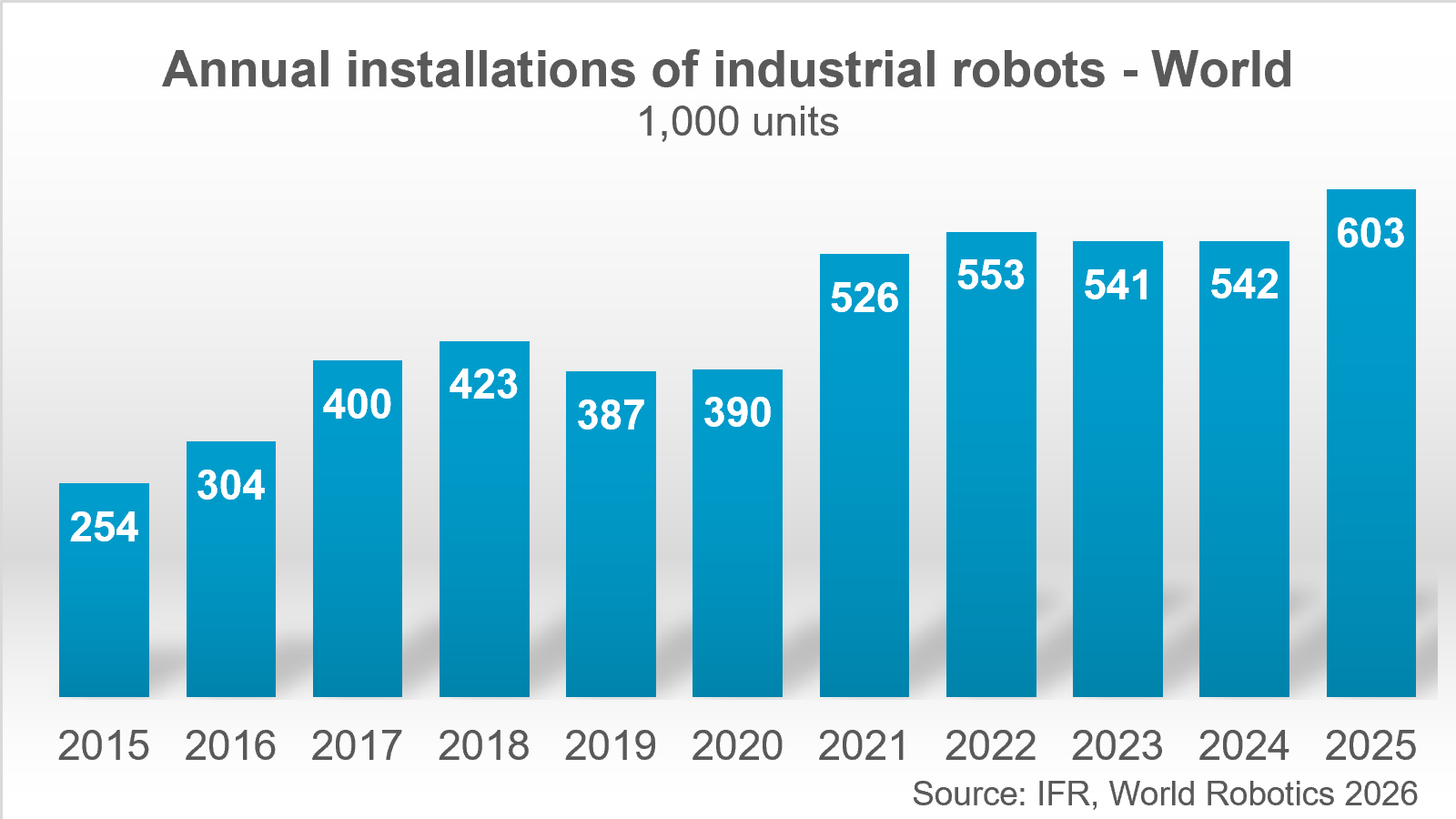
The second surprise is how unevenly they are spread. South Korea has 1,066 robots for every 10,000 manufacturing workers, against a global average of 152. In other words, the market is far from saturated, which is the bull case in a sentence. The IFR expects installations to rise 9% to 655,000 this year and to reach about 806,000 a year by 2029.
“The new mark of five million robots operational in factories worldwide is more than double the number seven years ago.”
Jane Heffner, President, International Federation of Robotics
What you can actually buy
Most private investors meet robotics in one of three ways.
The first is the household-name robot maker. These are the companies that build the arms on car and electronics lines, such as Fanuc and Yaskawa in Japan. Some big names are changing hands: SoftBank agreed to buy ABB's robotics business for about 5.4 billion dollars in October 2025, a sign of how keen deep-pocketed investors are on so-called physical AI.
The second is the picks-and-shovels supplier. Robots need eyes, brains and joints, so sensor makers, chip designers and motion-control specialists all ride the same wave. Japan's Keyence, which makes sensors and machine vision, is a good example. So, for the AI brains, are the big chip companies, although they make most of their money elsewhere.
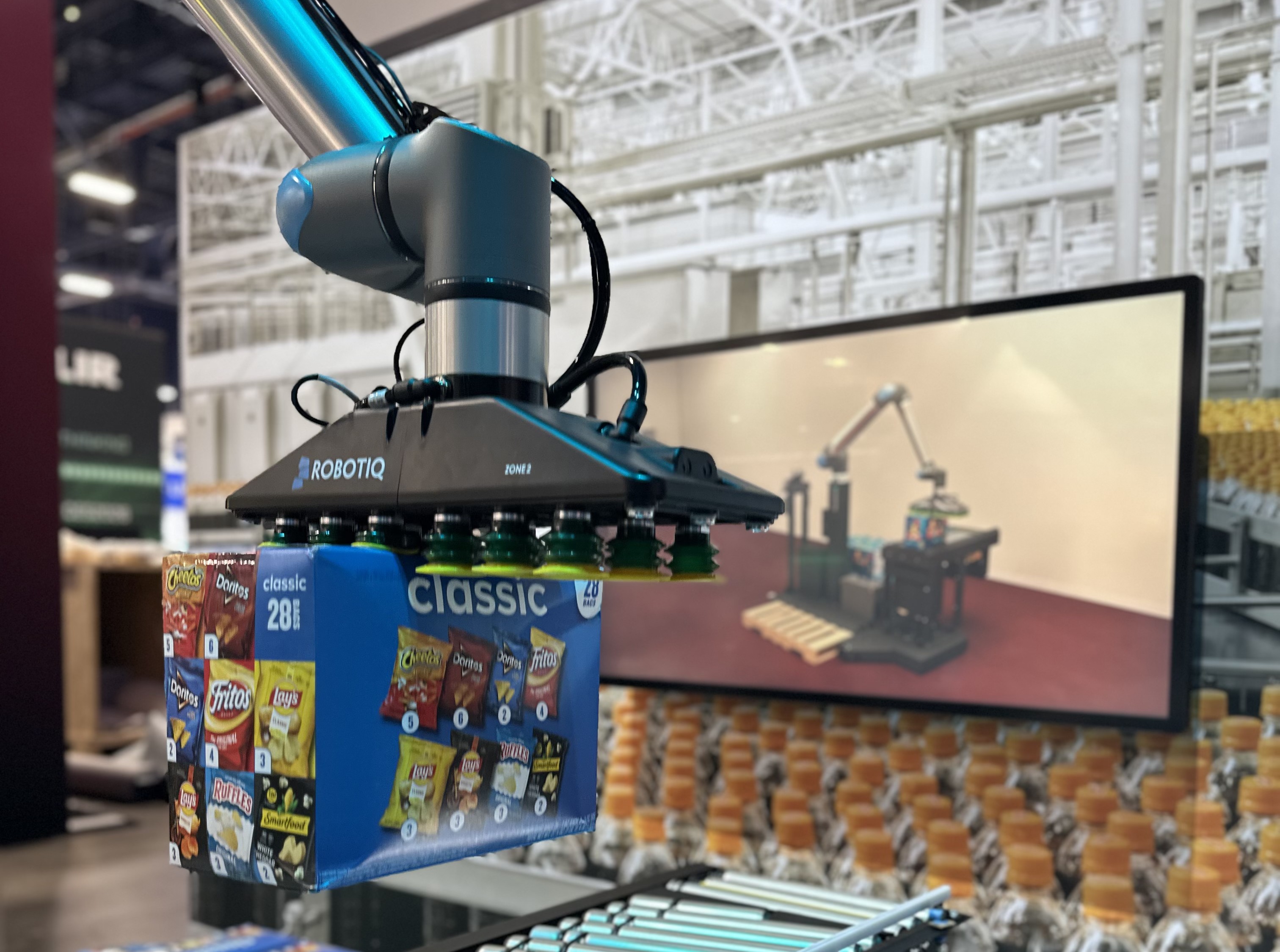
The third, and the most popular route, is a themed exchange-traded fund, which holds a basket of robotics and automation shares in one product.
The funds: same theme, very different rides
Here is where it gets interesting. The two best-known robotics funds sound almost identical and have behaved nothing alike.
Global X's BOTZ, the biggest, holds about 2.8 billion dollars and charges 0.68% a year. It is concentrated: its top holding, the surgical robot maker Intuitive Surgical, makes up around a tenth of the fund, with Keyence and Fanuc close behind. As of mid-November it was down about 12% this year and 13.5% over twelve months.
ROBO, the older rival, spreads its money far more thinly. Its top fifteen holdings make up only about a quarter of the fund, against roughly two thirds for BOTZ, and it charges more, at 0.95% a year. Over the same stretch of 2026 it was up nearly 5%.
The lesson is not that one fund is good and the other bad. It is that "robotics" is a label, not a single investment. A fund that leans on a few big names lives and dies by them. One that holds dozens of smaller ones will behave differently. Before buying, look at the top ten holdings, the fees and how much of the money sits in each country.
The humanoid question
Then there are the humanoids. Two-legged robots from carmakers, start-ups and Chinese tech groups have become the poster children of the sector, and they move markets on the strength of a single demo.
They are worth watching. They are also, for now, a tiny part of the robots that earn money. The machines doing real work today are mostly arms bolted to factory floors, warehouse robots and surgical systems. Many of the most exciting humanoid companies are private, so ordinary investors cannot buy them directly. And when a listed company's share price jumps on humanoid news, you are often paying for a story that is years from showing up in its sales.
A slightly quirky checklist
Know what the robot does. If you cannot explain in one sentence how a company makes money from robots, think twice.
Follow the factories, not the films. Installation figures, order books and robot density tell you more than a viral clip.
Read the label. Two funds with "robot" in the name can hold very different things.
Mind the fees. A themed fund costs more than a plain index tracker, and fees compound just as returns do.
Do not bet the house on a theme. Many investors who like an idea keep it as a small part of a broader, diversified portfolio.
Expect bumps. Robotics shares are tied to factory spending, which rises and falls with the economy.
The bottom line
The robots are coming, and the numbers back that up. Five million on the factory floor, more every year, and plenty of room to grow outside Korea, Singapore and Germany. Whether that makes a good investment is another question. A booming industry and a rising share price are not the same thing, as this year's robotics funds have shown. Go in curious, go in informed, and if you are unsure, ask a professional before you go in at all.
This article is not financial advice. Do your own research and consider speaking to a regulated financial adviser before making any investment.
Cite this article
ASR Newsdesk. "Explainer: So you want to invest in robots?." Autonomous Systems Review, 17 Nov 2026. https://autonomoussystemsreview.com/articles/explainer-so-you-want-to-invest-in-robots.