China says no to SoftBank’s ABB deal. The real asset was the robots’ data
Beijing has blocked SoftBank’s $5.4bn purchase of ABB Robotics in China. The reasons say more about where robotics is heading than the price ever did.
Marcus Macaulay — Publisher
The deal was meant to be the industrial base of Masayoshi Son’s physical-AI empire. Instead it has become the clearest sign yet that industrial robots are now being treated as strategic infrastructure.
**What happened.** ABB confirmed it had been told by SoftBank that China’s foreign investment security review office has prohibited the acquisition of the ABB Robotics business in China. ABB had agreed in October 2025 to sell the division to SoftBank for an enterprise value of $5.375 billion, and the transaction had been expected to close in mid-to-late 2026, subject to approvals. For scale, the division’s 2024 revenue was $2,279 million, with operational EBITA of $277 million.
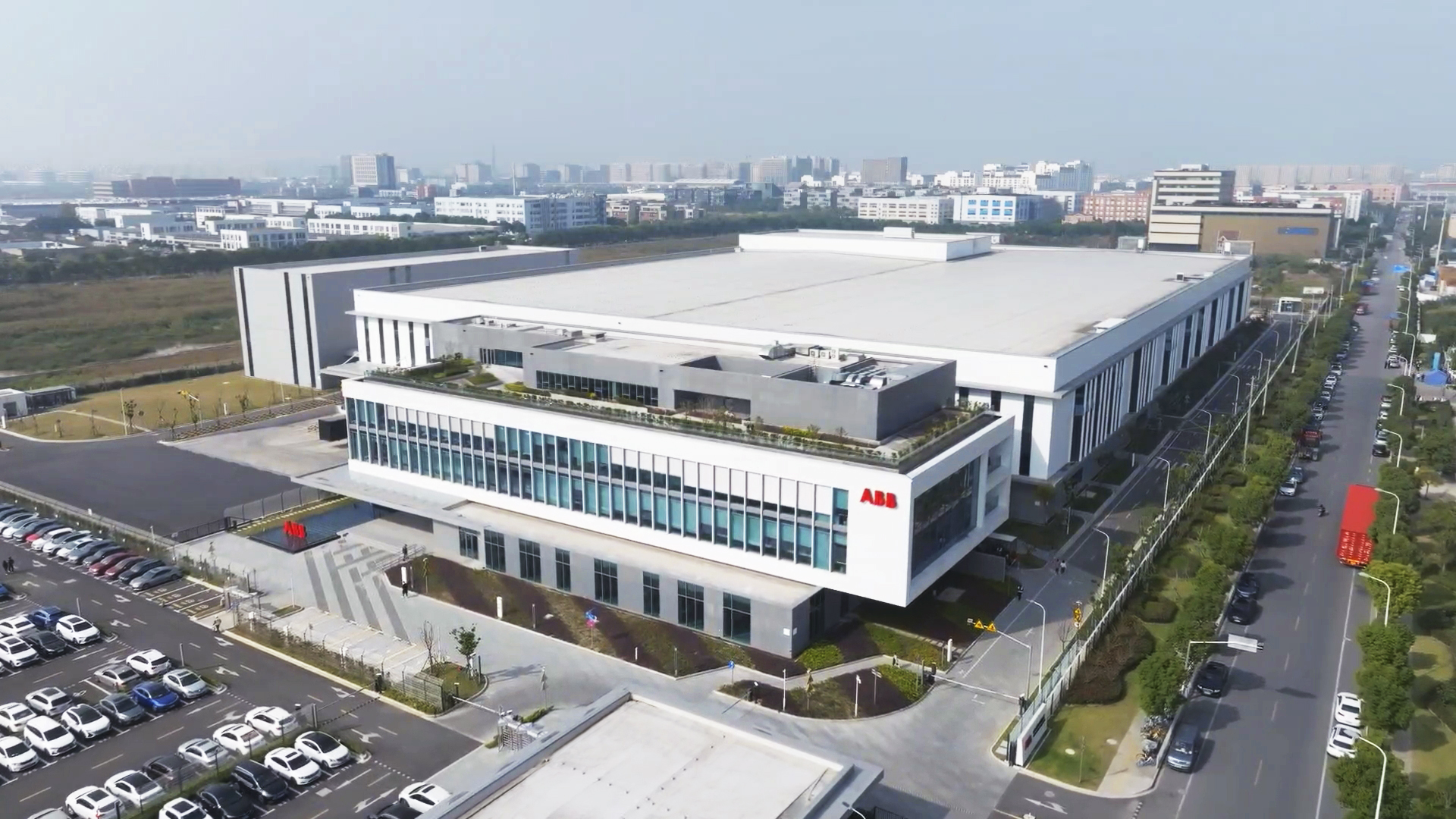
**Why China can say no.** This isn’t a foreign company with a sales office in Shanghai. The robotics unit makes around 90% of its robots in China, its biggest market, and employs around 12,700 people there. Its showpiece is the $150 million, 67,000 m² mega factory in Shanghai’s Pudong district, ABB’s largest robotics R&D and manufacturing base worldwide. Sell ABB Robotics and you’re selling a large piece of Chinese manufacturing capacity.
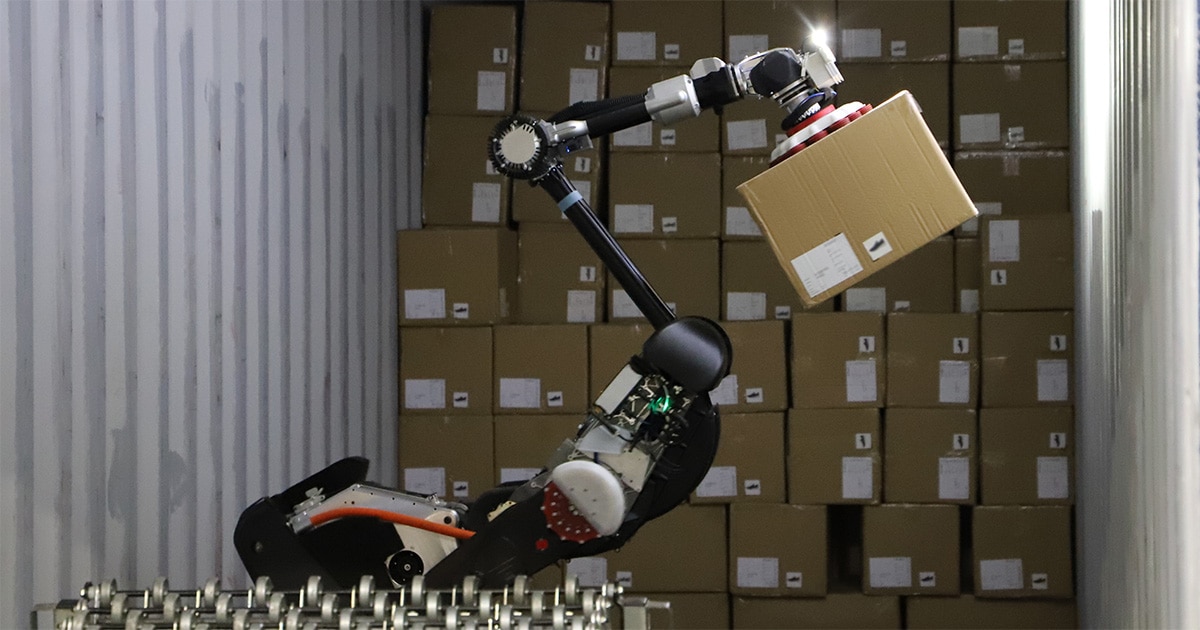
**The data question.** Price was never the issue. According to the Financial Times, regulators are focused on what happens to robotics data generated in China and whether it could be sent overseas to train AI systems, including ones tied to OpenAI, in which SoftBank is a major investor. That is the new part. A factory robot used to be judged on payload and repeatability. Now it’s also a sensor, logging motion, force and process data from thousands of production lines, and that data is exactly what physical-AI companies need to train their models.
**It’s a pattern, not a one-off.** This is the second major deal China has blocked this year, after Meta was ordered to unwind its acquisition of AI start-up Manus. Washington is moving the same way from the other side: a White House Section 232 investigation concluded that dependence on robotics imports poses a national security risk. Both capitals now treat robots the way they used to treat chips.
**What SoftBank loses.** SoftBank had said the ABB platform would be combined with its existing robotics holdings, among them SoftBank Robotics, Berkshire Grey, AutoStore, Agile Robots and Skild AI. ABB was supposed to be the factory floor under all those software bets, and the floor that matters most is in China.
**What happens next.** Neither side has called it off. ABB says the two companies are in close dialogue and working constructively on the transaction. ABB’s statement mentions no break fee, termination, new timetable or financial impact. The likely route is a re-cut: a China carve-out, limits on cross-border data transfers, or a ring-fenced local operation with its own governance.
The ASR read. For buyers of robots this matters more than it looks. If the data a robot generates can be stopped at a border, then where your robots are made, who owns them and where their data goes all become procurement questions, not just legal ones. Expect “data residency” to show up in robot tenders the way it already shows up in cloud contracts.
Cite this article
Marcus Macaulay. "China says no to SoftBank’s ABB deal. The real asset was the robots’ data." Autonomous Systems Review, 12 Nov 2026. https://autonomoussystemsreview.com/articles/china-says-no-to-softbanks-abb-deal-the-real-asset-was-the-robots-data.