Boston Dynamics’ least glamorous robot gets the upgrade that matters
Stretch Gen 2 is faster, but the real story is a trailer-unloading robot rebuilt around one thing: not breaking down on the dock
Marcus Macaulay — Publisher
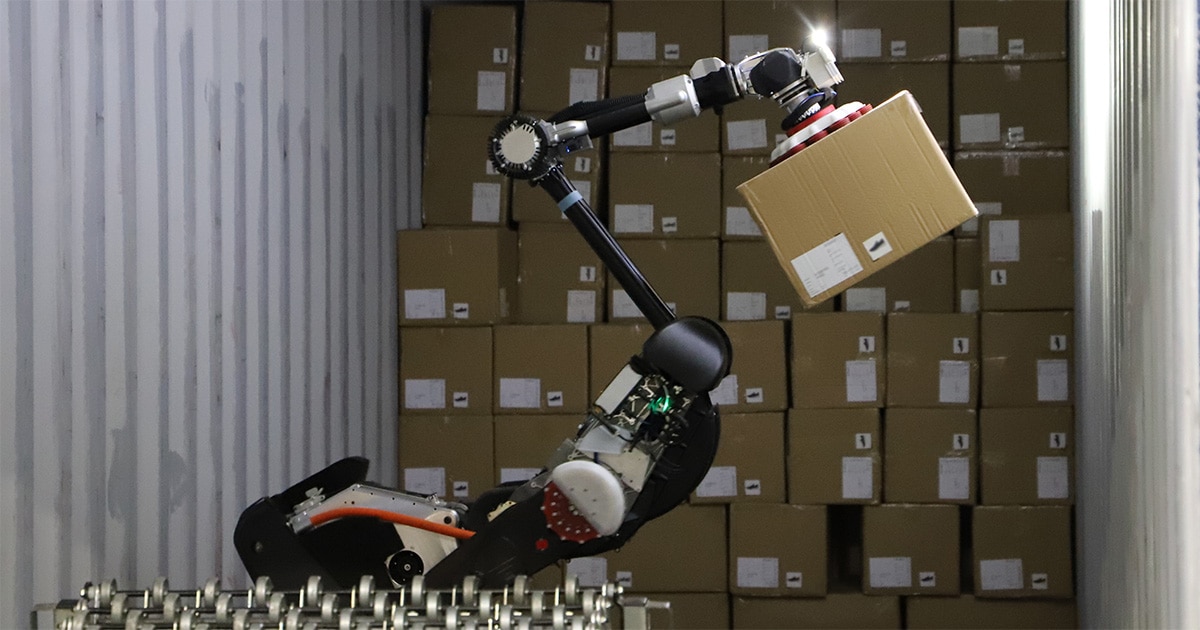
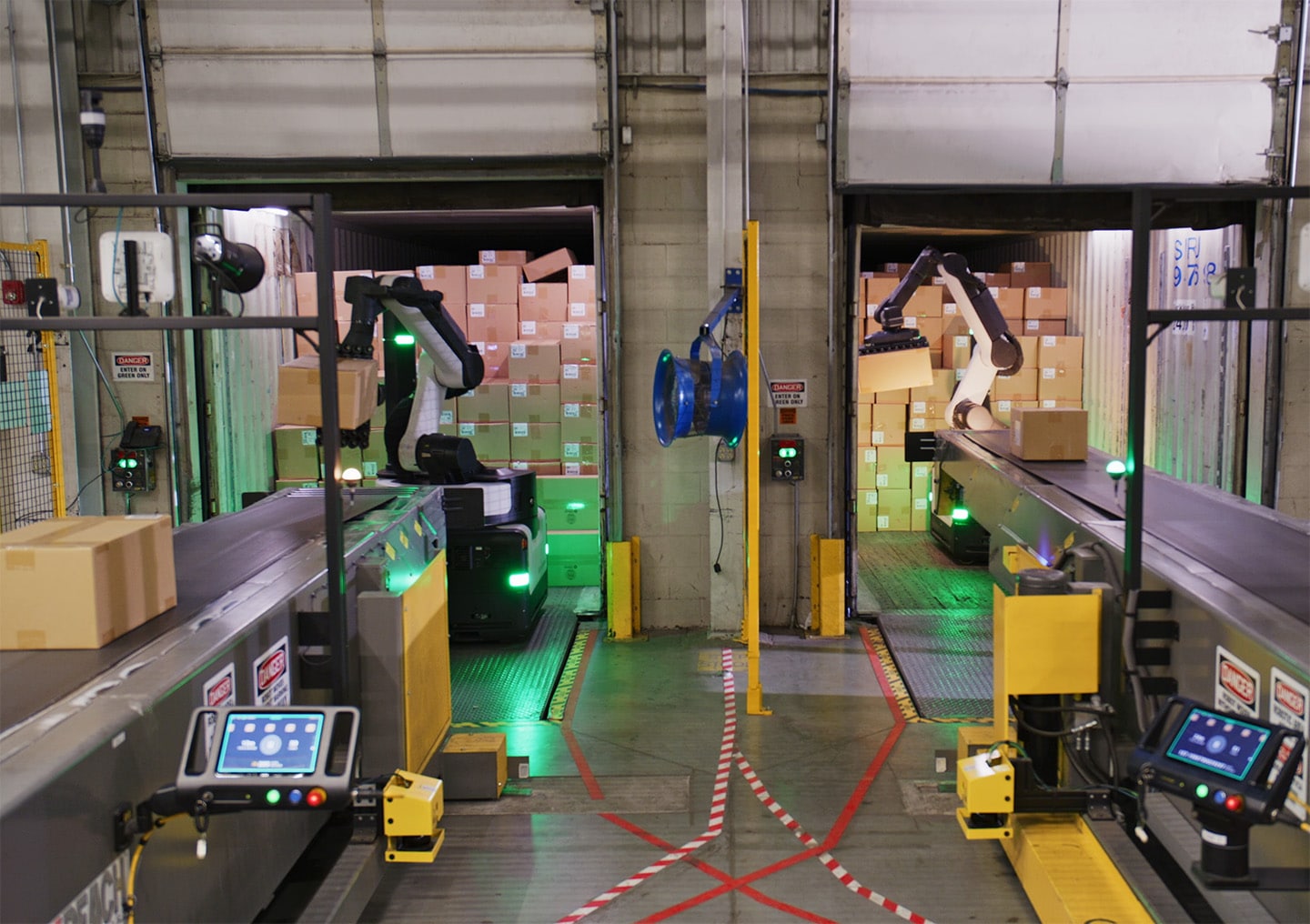
While humanoids get the headlines, Boston Dynamics has quietly rebuilt the robot that actually earns its keep. The company has unveiled Stretch Gen 2, the next generation of its autonomous mobile trailer-unloading robot.
manufacturing
The headline number. Stretch Gen 2 can unload up to 1,000 cases per hour, though the rate depends heavily on case weight and how neatly or messily the cases are stacked. Much of the gain comes from a multipick feature that lets it take more than one box at a time. For comparison, the first-generation Stretch typically handled 600 to 800 cases an hour.
The number that matters more. Boston Dynamics says the redesign is built on more than 100,000 hours of field data, with the aim of fewer breakdowns. The changes read like a list of everything that went wrong in real warehouses. The company cut 81% of the internal cabling, roughly half a mile of it, and switched to heavy-duty automotive-grade connectors that can take the vibration of rapid, high-torque box handling and uneven floors. It also says replacing a whole swerve drive now takes about an hour instead of a full day.
Fixing it without calling the vendor. New onboard diagnostics and maintenance tools put more routine servicing in the hands of the customer’s own maintenance team, so robots stay on the dock with less reliance on outside support. The battery lasts two shifts, with fast charging, and software updates can improve performance without hardware changes. Boston Dynamics says it currently ships new software roughly monthly.
Is it already working? According to Brian Donnelly, who runs the logistics robotics business, Gen 2 is already running at multiple customer sites. His pitch is simple: an idle robot means freight piling up on the dock. That’s the right metric, and it’s also the one the launch doesn’t prove yet. An earlier Lidl trial of the old Stretch consistently beat 500 cases an hour and reached 600, but no independent full-shift test of Gen 2 has been published.
Why it matters. Stretch has been on the market long enough to have a track record: DHL Supply Chain became its first customer in January 2022 with a $15 million deal. Gen 2 is what a robot looks like in its second commercial life. It’s no longer chasing a demo but engineering out the downtime that ruins the business case. It also lands at a moment of change at the top: Boston Dynamics has recently named Rohit Prasad, who previously led Amazon’s Alexa AGI effort, as CEO.
The ASR read. The robots that scale aren’t the most impressive ones; they’re the ones that stop being interesting. It’s the same argument Agility’s Peggy Johnson made in her ASR interview about making humanoids boring. Stretch got there first.
Cite this article
Marcus Macaulay. "Boston Dynamics’ least glamorous robot gets the upgrade that matters." Autonomous Systems Review, 10 Nov 2026. https://autonomoussystemsreview.com/articles/boston-dynamics-least-glamorous-robot-gets-the-upgrade-that-matters.