Aurora's driverless trucks cleared 440,000 miles. It also lost $270m doing it
The freight-autonomy leader's Q2 numbers are the clearest window yet into what scaling driverless trucking actually costs — and the two per-mile prices buried in the results are the figures every fleet should be reading.
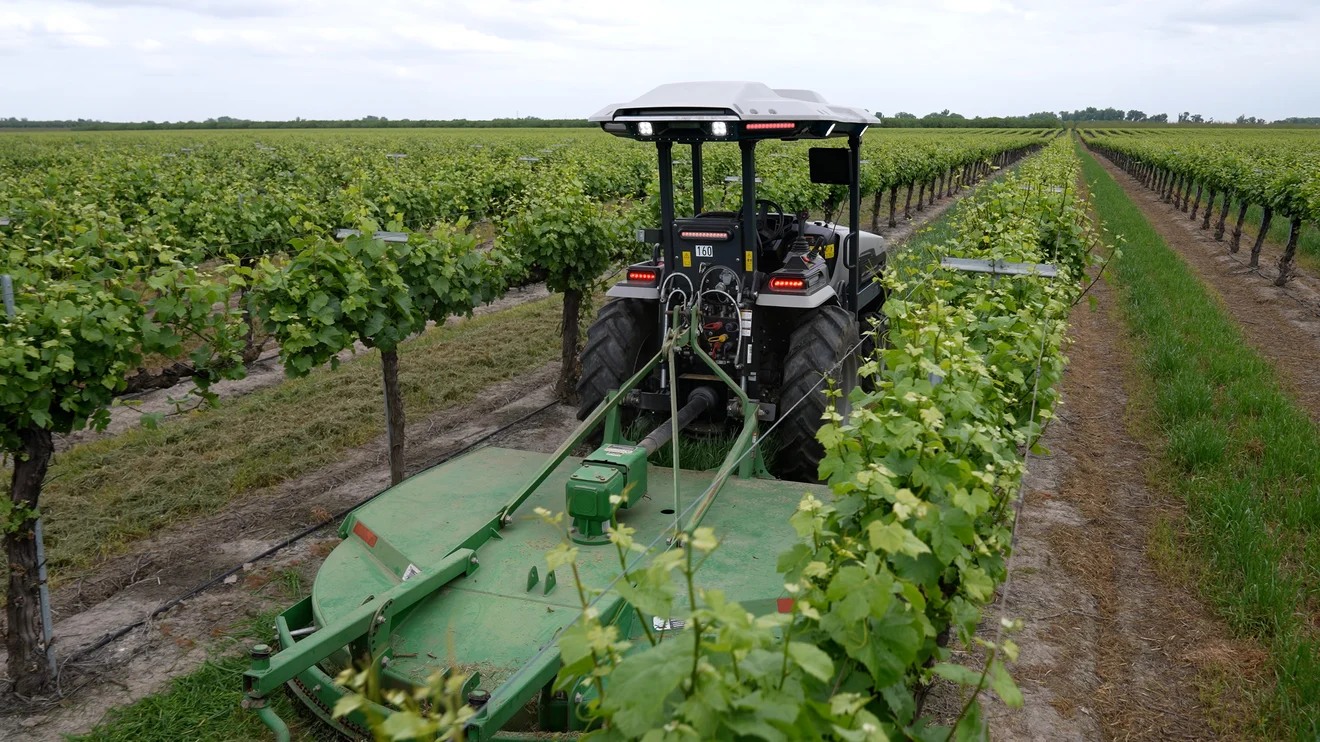
![Aurora plans to deploy its second-generation driverless trucks across its commercial network, which currently encompasses 10 driverless routes throughout the U.S. Sun Belt. [Credit: Aurora]](https://res.cloudinary.com/dhuodddzw/image/upload/v1786100569/Aurora_ad2_jskuom.jpg)
Aurora Innovation reported second-quarter results that capture the autonomous-trucking business in one uncomfortable frame: nearly 440,000 cumulative driverless miles hauled since launch, a perfect operational record — and a $270 million net loss on $2 million of revenue.
Both halves are real, and both matter. The operational record is genuinely strong: through 30 June the Aurora Driver logged those miles with 100% on-time performance and zero collisions attributed to the system. During the quarter Aurora crossed the threshold the whole industry has been circling, launching a fleet of International LT trucks running with no one behind the wheel — the start of what management calls its commercial scaling phase.
The financials are the cost of getting there. Aurora used roughly $225 million in operating cash in the quarter and expects to keep burning $190-220 million per quarter through 2026, funded from a cash pile near $1.2 billion topped up by share issuance. This is a company buying a market position, not yet earning one.
The two numbers that matter
Buried in the earnings call are the figures any logistics operator should extract. CFO David Maday put Aurora's Transportation-as-a-Service pricing at north of $2 per mile, and its future Driver-as-a-Service subscription at $0.85-plus per mile.
That gap is the entire investment thesis. Under TaaS, Aurora runs the operation and captures the full per-mile rate; under DaaS, planned from 2027, the carrier owns the truck and the operation, and Aurora becomes a software subscription at a fraction of the price. The first model monetises miles; the second monetises the fleet. Which one dominates determines whether Aurora is an asset-heavy freight operator or a high-margin software company — and the market is pricing the latter.
The unit economics behind the target are tight. Aurora says it is fully allocated to exit 2026 with more than 200 trucks, equating to about an $80 million annualised run-rate — roughly $400,000 per truck per year. That figure only works on the 24/7 utilisation that removing the driver unlocks: a driverless truck ignores the 11-hour hours-of-service limit that caps a human, which is why Aurora's 1,000-mile Fort Worth–Phoenix corridor — a lane no single legal driver can run in one shift — is the operationally important route, not just the longest.
The credibility question
Two caveats belong on any read of these numbers. First, "driverless" deserves precision: Aurora has been distinguishing between fully driverless miles and trips carrying a partner-requested ride observer who has no operational role — the second-generation hardware is what removes that observer requirement at scale. Second, the mileage record, though clean, is still small; 440,000 miles is a rounding error against the billions US trucks drive annually, and rare-event safety cannot be proven at this scale.
What Aurora does deserve credit for is disclosure. It publishes its mileage, its safety record and — unusually — a live stream of its trucks operating. The rest of the autonomy sector, as ASR has argued repeatedly, could stand to copy the habit.
What to watch
Three things through year-end: whether Roush's upfitting line hits its targeted 1,000-truck annual run-rate by October; whether the 200-truck exit number holds or slips (the classic autonomy failure mode); and the first signed Driver-as-a-Service deal, which will test whether carriers accept the $0.85 subscription — and with it, whether the software-margin story survives contact with a customer.
Cite this article
Rob Polli. "Aurora's driverless trucks cleared 440,000 miles. It also lost $270m doing it." Autonomous Systems Review, 7 Aug 2026. https://autonomoussystemsreview.com/articles/auroras-driverless-trucks-cleared-440-000-miles-it-also-lost-270m-doing-it.