Meta Builds Home Humanoid Robot With Chinese Firm Fourier
The prototype, codenamed Max, was developed in three months alongside Shanghai-based Fourier Intelligence — a partnership that raises pointed questions about US technology firms' reliance on Chinese hardware expertise.

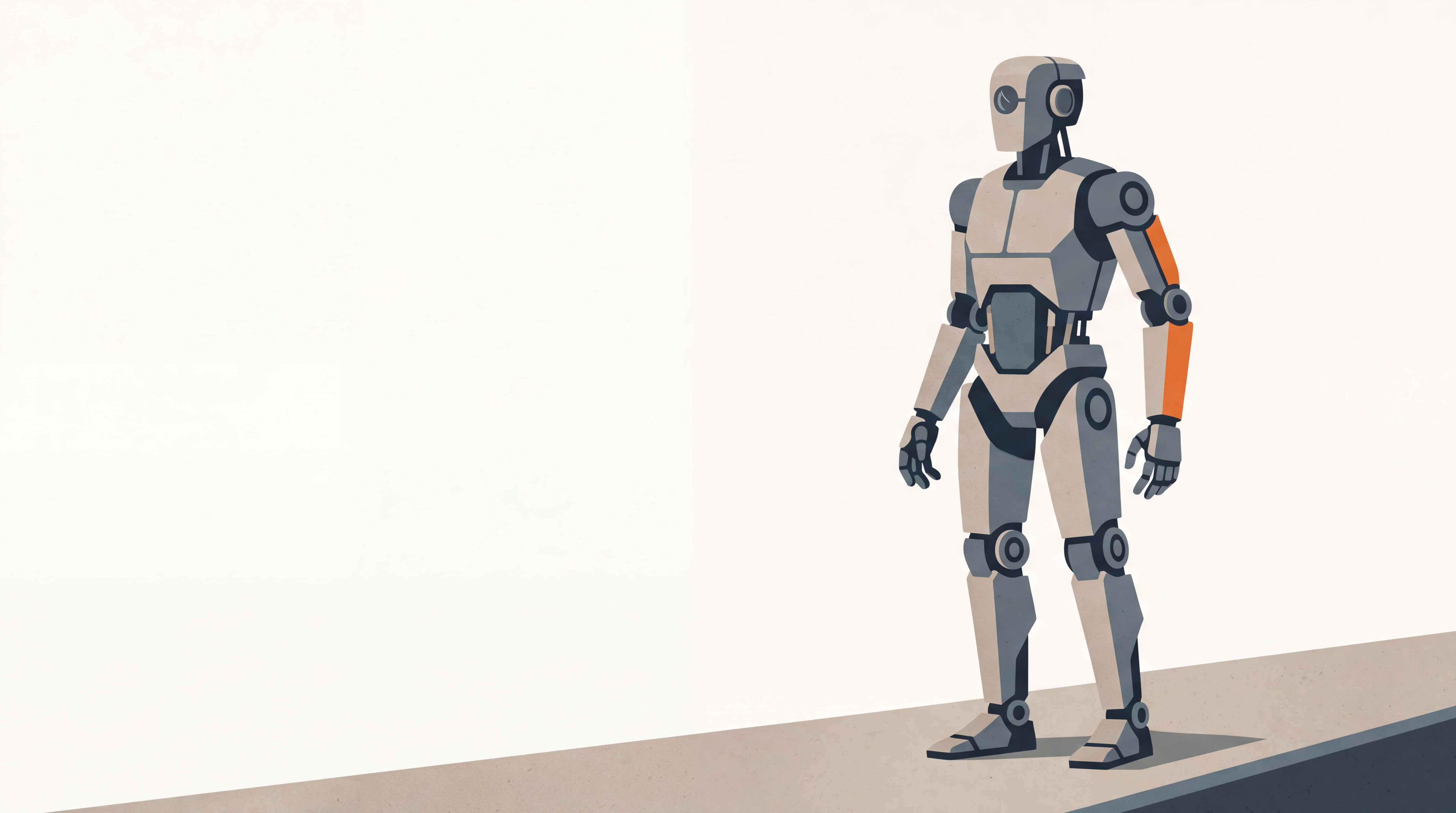
Meta has developed a humanoid robot prototype intended for home use, built in a secret three-month collaboration with Shanghai-based Fourier Intelligence that concluded in October 2026. The robot, internally codenamed Max, stands 1.5 metres tall, weighs 48 kilograms, and runs on NVIDIA's Jetson Thor processing chips.
Meta's home humanoid is designed as a physical interface for Muse, the company's generative AI assistant — putting a body behind the voice.
What Max Can Do
The prototype features five-fingered dexterous hands capable of manipulating household objects, a face display for social expressions, and onboard speakers. Its sensors can recognise human gestures from three metres away and voices from five metres. The hardware is purpose-built for domestic environments — the kind of unstructured, obstacle-filled spaces that have proved challenging for prior-generation robots.
A second prototype, Max 2, entered development in September 2026, with a redesigned torso and sensors aimed at enabling stair-climbing — a capability that would significantly expand a home robot's operational range.
The Fourier Partnership
The speed of development — three months from brief to prototype — was made possible by Fourier Intelligence's existing humanoid hardware platforms. The Shanghai firm has established itself as a supplier to robotics research institutions and commercial integrators globally, and its involvement here signals a broader pattern: US technology companies turning to Chinese robotics manufacturers to compress development timelines, even as geopolitical pressure on that supply relationship intensifies.
Meta's choice of a Chinese hardware partner is commercially pragmatic but strategically complex. The arrangement puts advanced AI software from a US firm onto a physical platform developed in China, running on NVIDIA silicon — itself subject to ongoing export scrutiny.
Organisational Moves Behind the Robot
The robotics push at Meta is not improvised. CTO Andrew Bosworth established a dedicated robotics group within Reality Labs in February 2025, with former Cruise CEO Marc Whitten leading it. On 7 May 2026, Meta acquired startup Assured Robot Intelligence (ARI) to bring robotic AI foundation models into its Superintelligence Labs — a structural move that signals the company intends to own the software stack, even if the hardware originates elsewhere.
Max serves as the physical extension of Muse, Meta's generative AI assistant. The implication is that a household equipped with Meta's ecosystem — AI assistant, wearables, and eventually a humanoid — operates as an integrated system rather than a collection of discrete devices.
Industry Implications
The emergence of Max marks a significant escalation in the consumer humanoid race. Where earlier entrants have focused on industrial and logistics settings, Meta is targeting the home — the highest-friction, most socially sensitive deployment environment possible. Questions around domestic data collection, household safety, and the durability demands of everyday living remain open. What is clear is that the collaboration model Meta has chosen — fast-cycling with a proven Chinese hardware partner — may become a template others follow, regardless of the political headwinds it invites.
Cite this article
Rob Polli. "Meta Builds Home Humanoid Robot With Chinese Firm Fourier." Autonomous Systems Review, 2 Nov 2026. https://autonomoussystemsreview.com/articles/meta-builds-home-humanoid-robot-with-chinese-firm-fourier.